Key_note Marcela Linková.pdf
Hungarian University of Agriculture
and Life Sciences (MATE)
Julianna Kobolak
info@agrigep.eu

Rooting Sustainable Change: Inclusive Gender Equality Plans in Agriculture and Life Sciences Universities in Central and Eastern Europe
📅 Date: 25 September 2025
📍 Venue: Czech University of Life Sciences Prague (CZU), Faculty of Economics and Management (PEF), Room D107, Kamýcká 129, 165 21, Praha – Suchdol
👥 Format: Hybrid
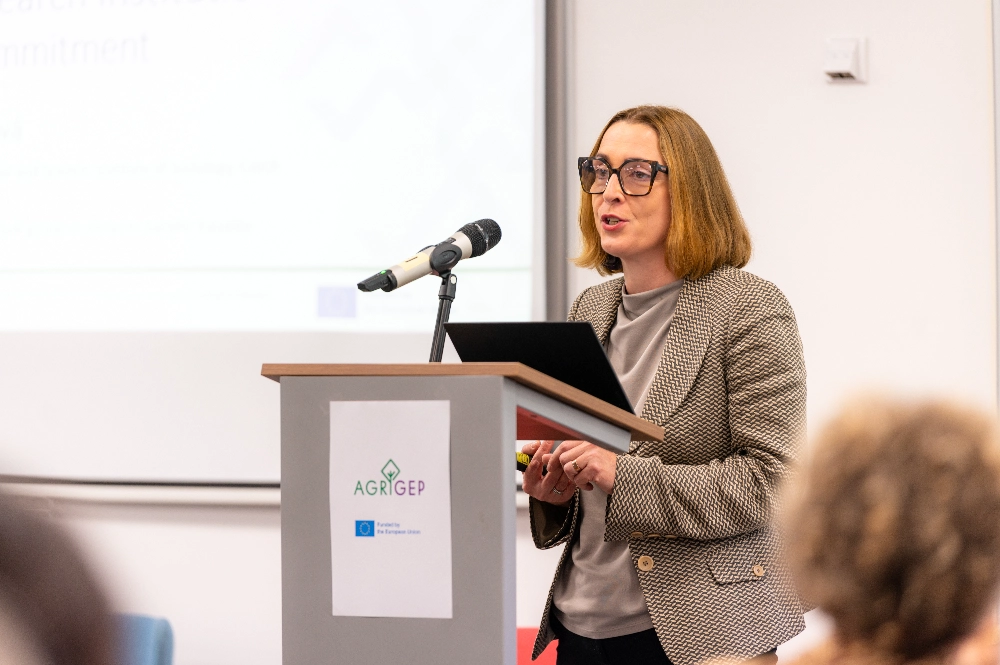
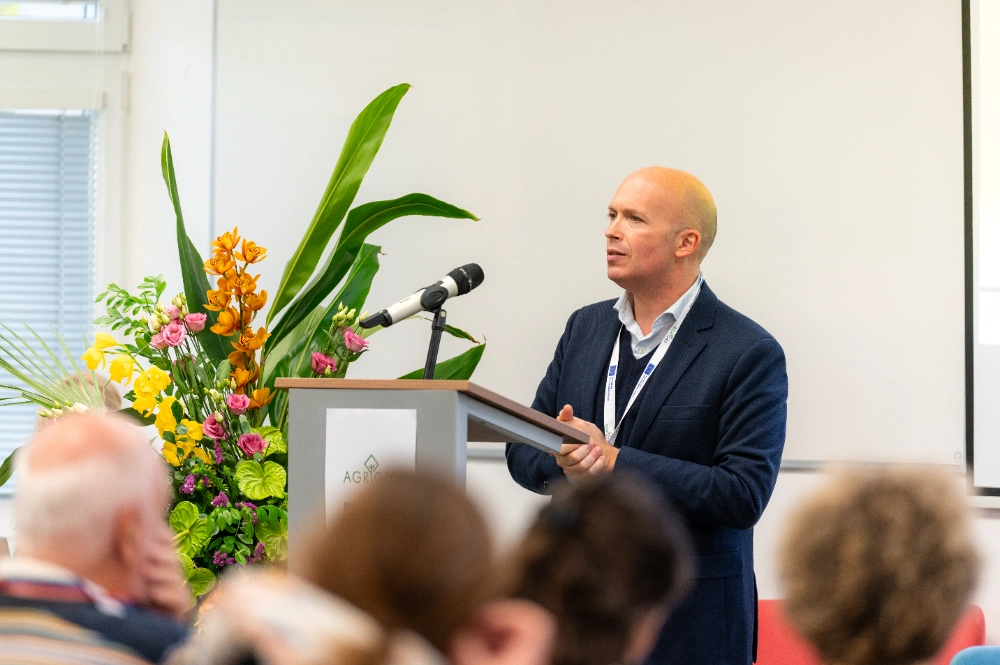
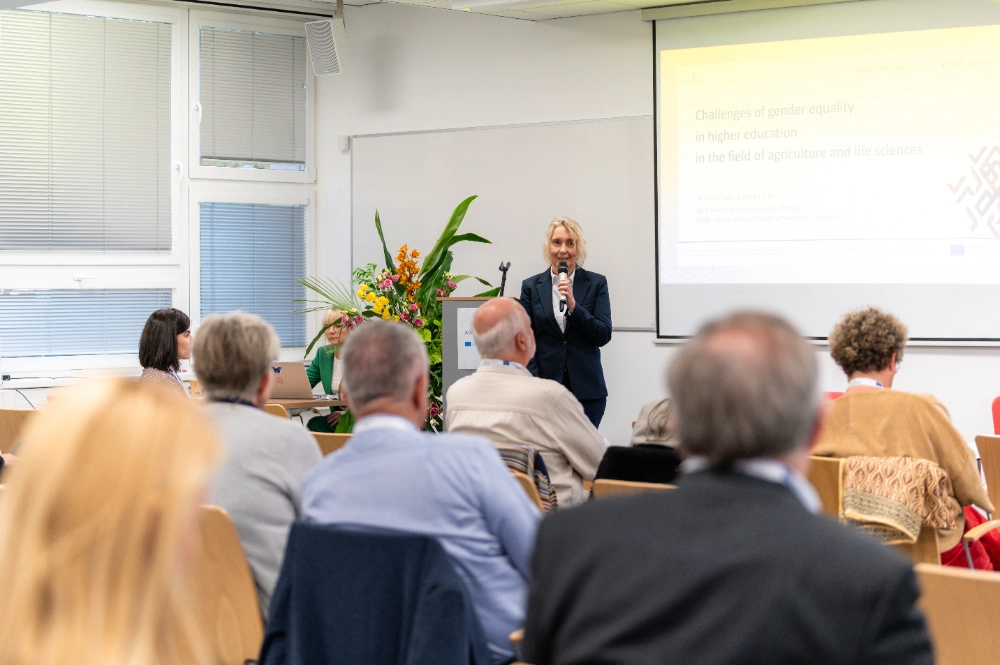
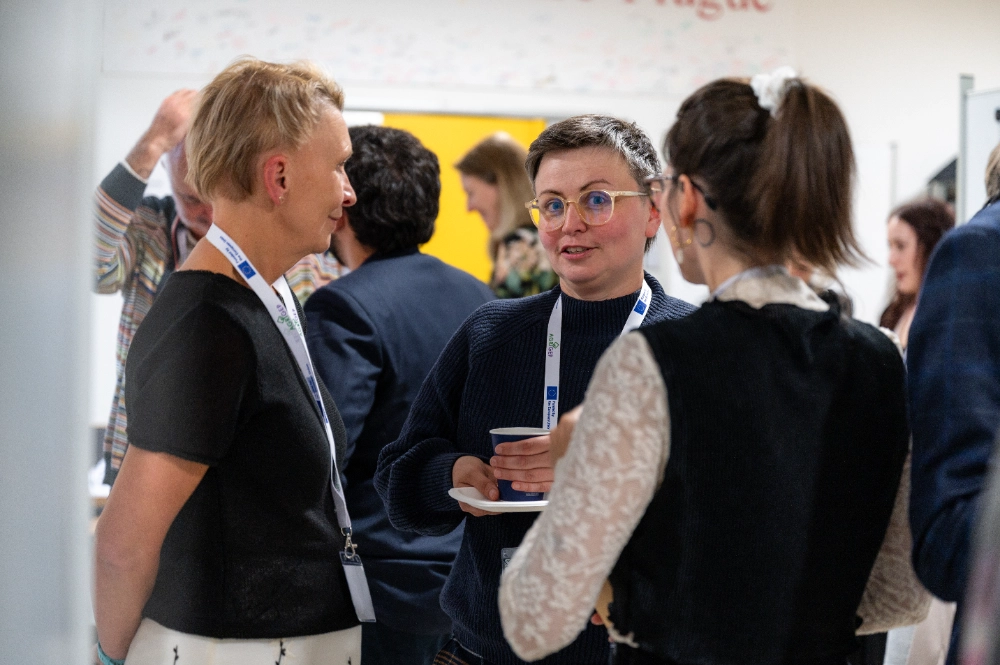
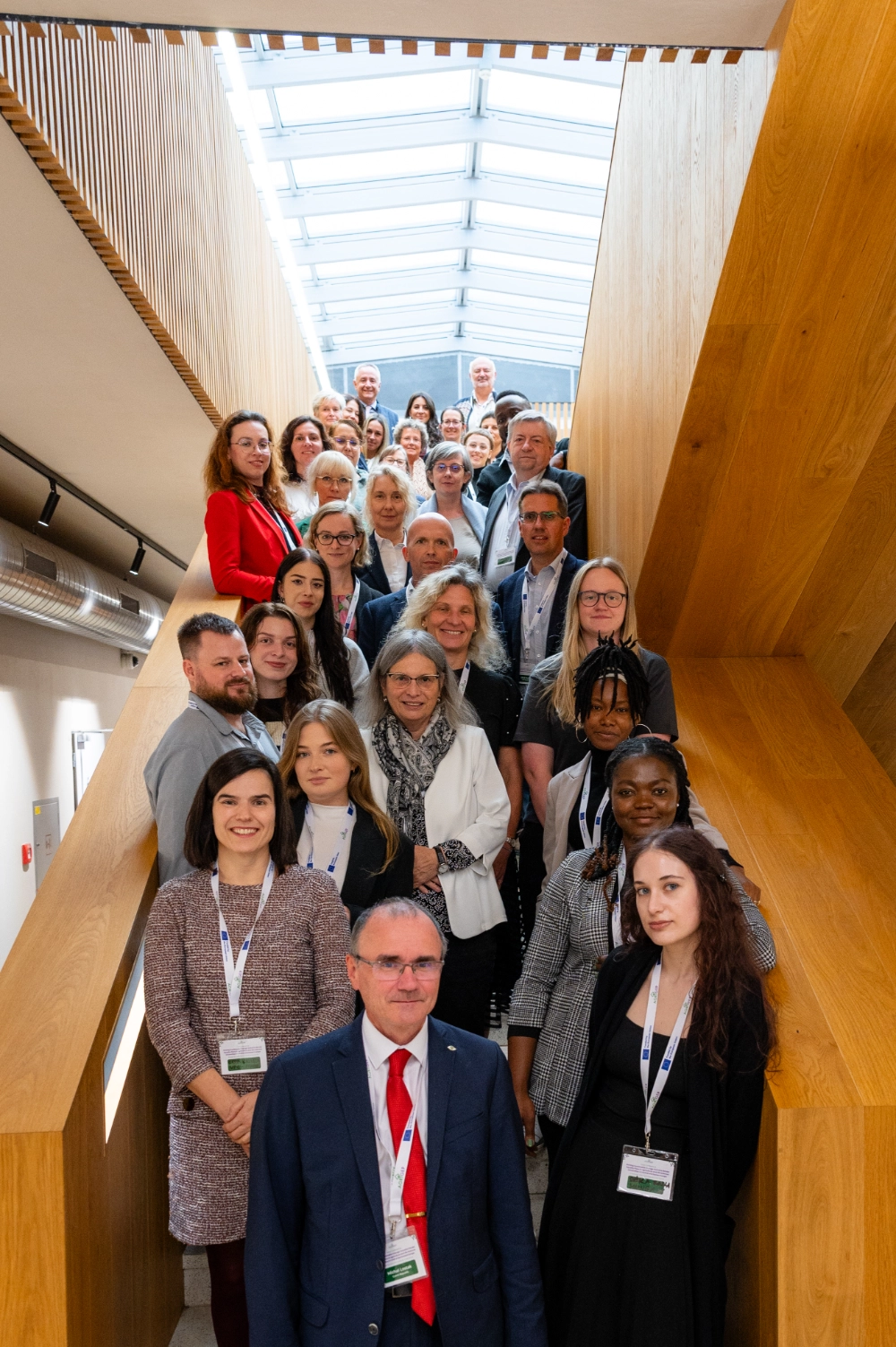
The Final Conference of the AGRIGEP project took place at the Czech University of Life Sciences Prague (ČZU), bringing together more than 80 participants from across Europe. The event fostered a vibrant and collegial atmosphere, filled with inspiring discussions and a strong sense of shared purpose. Researchers, policymakers, institutional leaders, and gender equality experts came together to reflect on lessons learned and to shape future strategies for more inclusive academic environments.
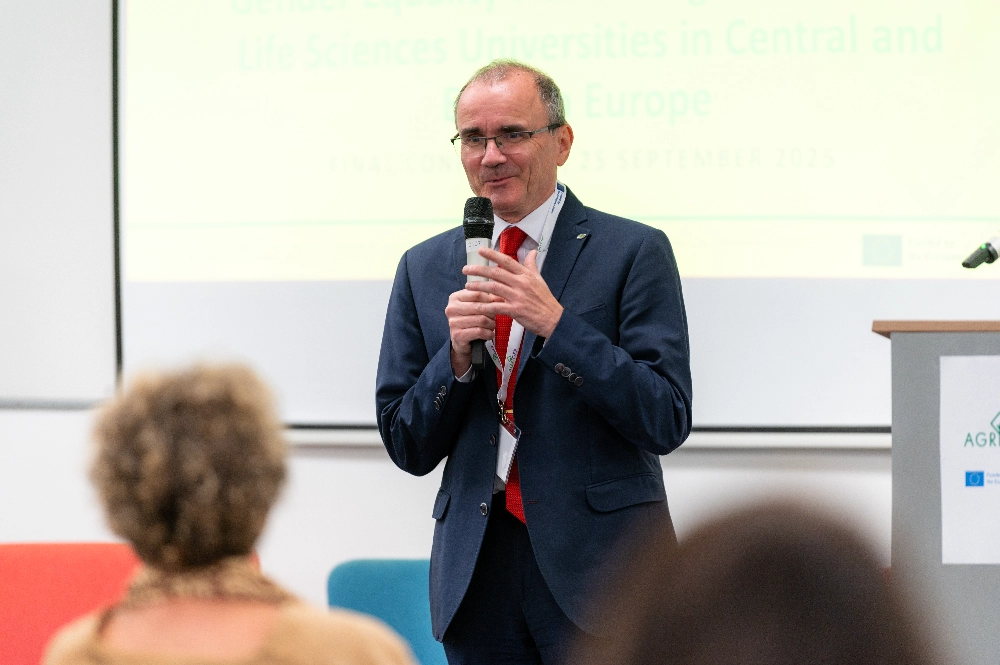
The conference was officially opened by Katharina Buse from the European Commission’s Research Executive Agency, who commended AGRIGEP’s pioneering role in advancing gender equality within agriculture and life sciences. In her remarks, she emphasized that the project has become a model of how leadership and institutional commitment can drive meaningful and lasting change.
Participants were also welcomed by representatives of ČZU leadership, including Vice-Rector Michal Lošťák, who underlined the university’s dedication to promoting inclusive, equitable, and forward-looking research environments.
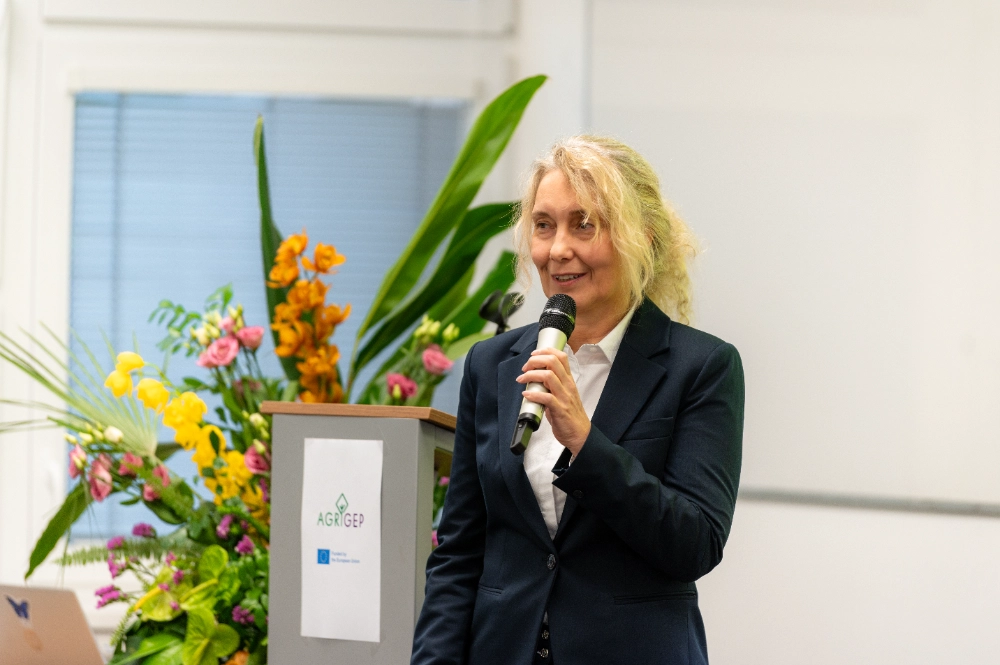
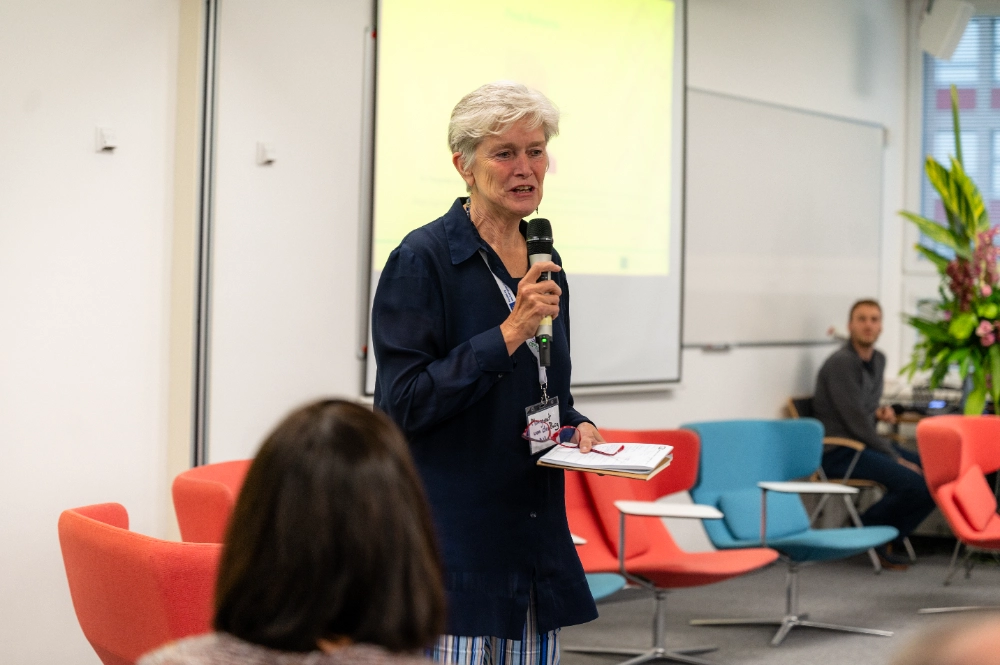
A keynote address by Marcela Linková, Head of the Centre for Gender and Science at the Czech Academy of Sciences, explored the indispensable yet often vulnerable role of agents of change in institutional transformation.
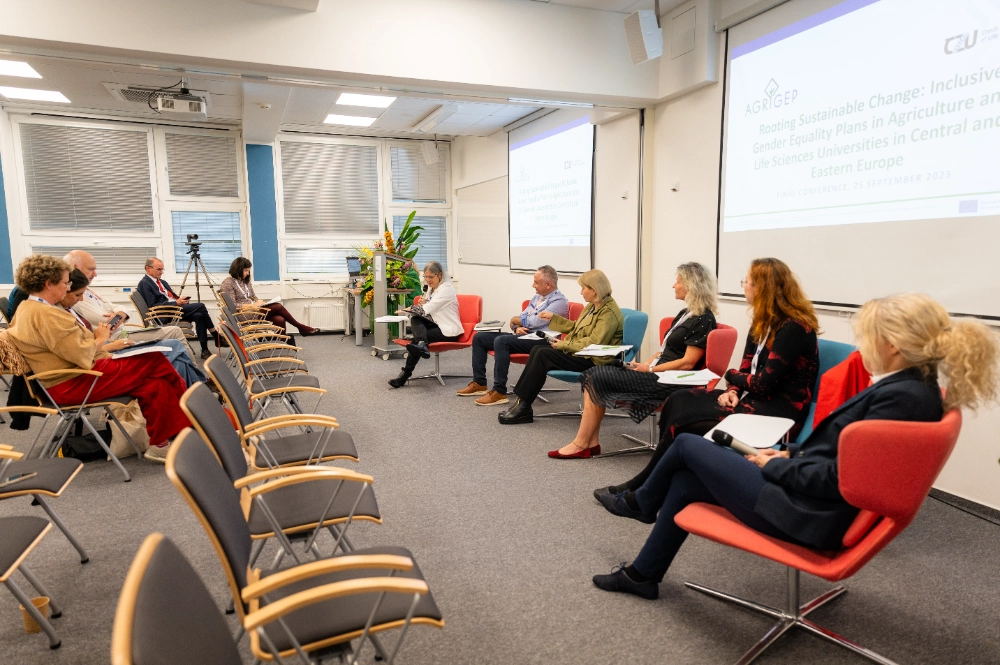
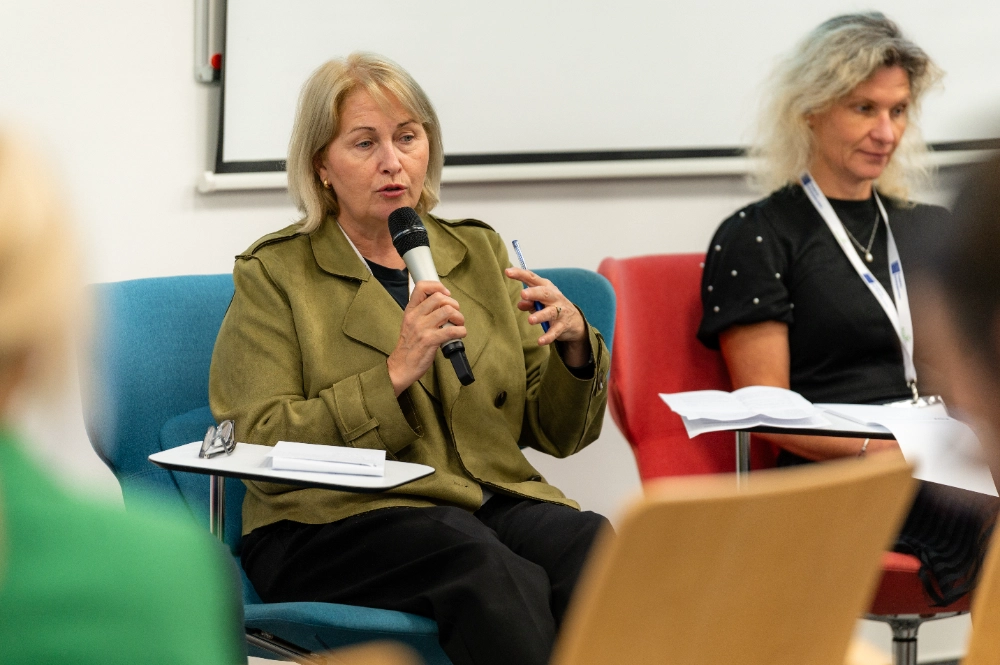
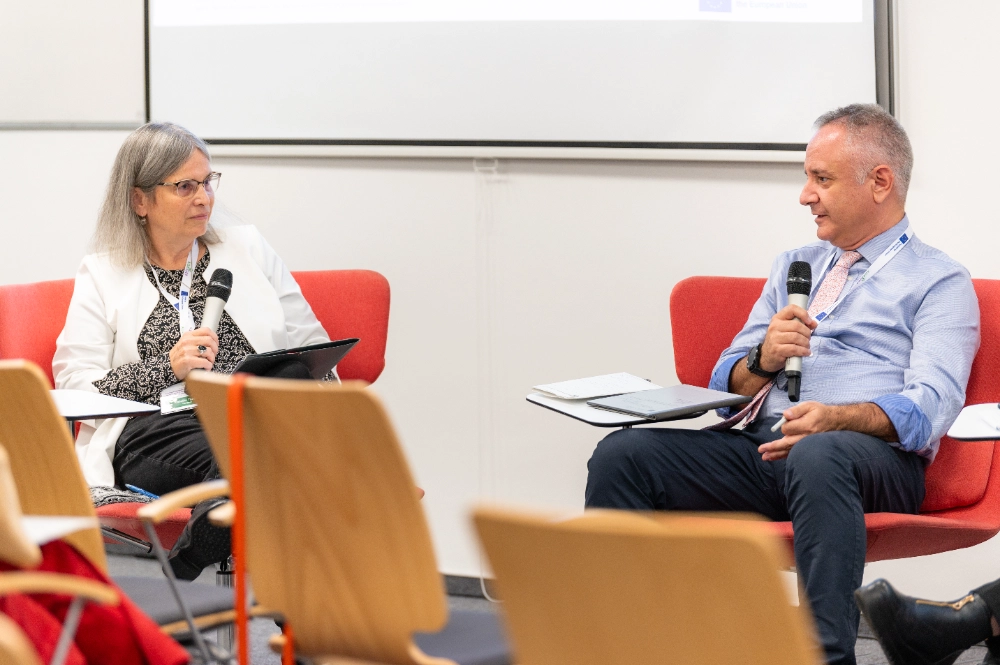
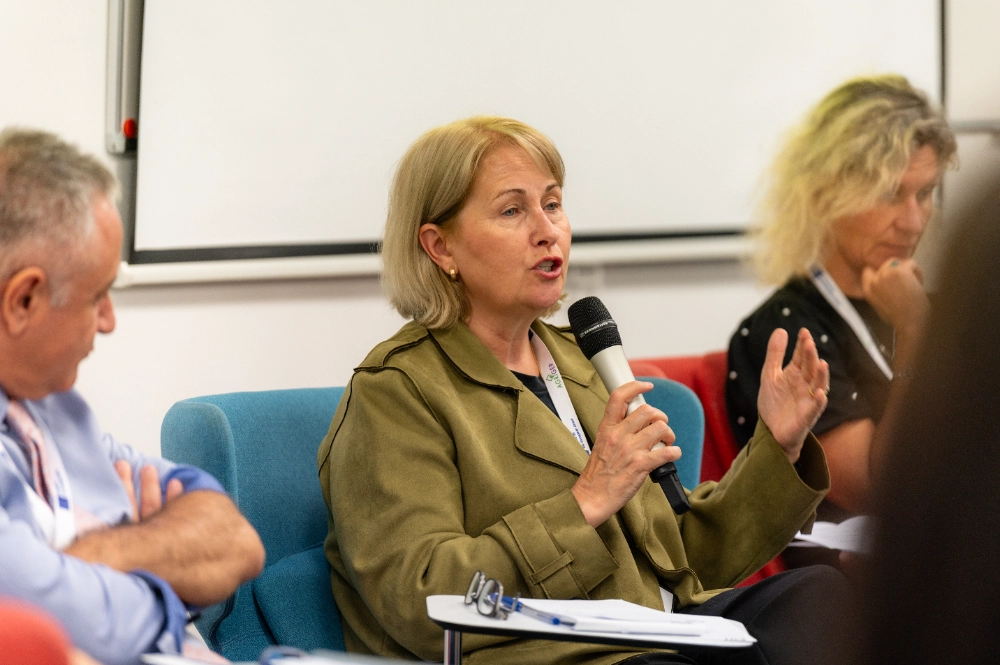
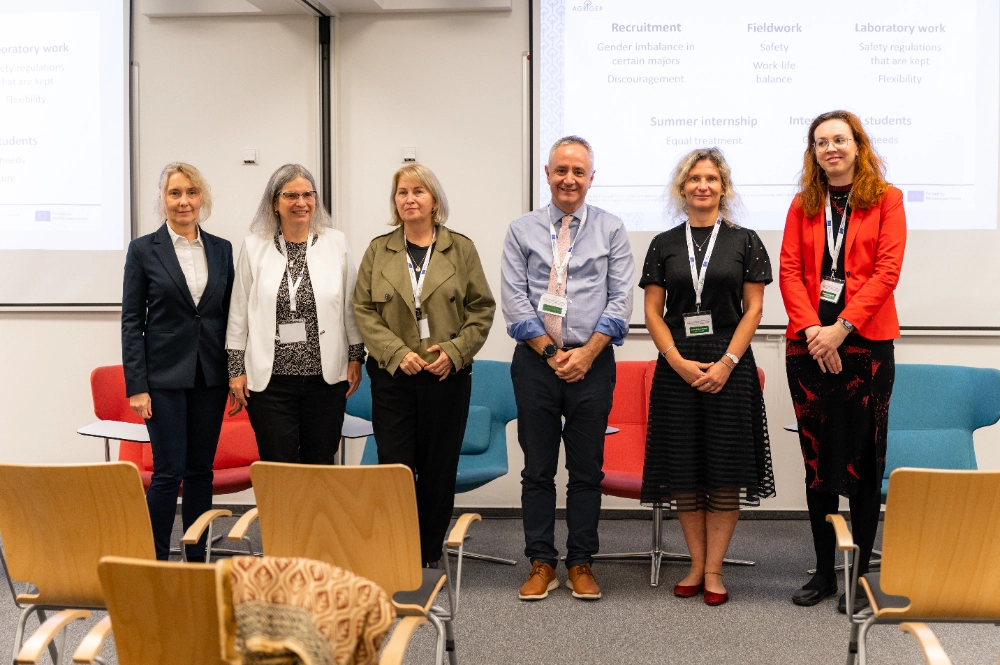
Lively panel discussions followed, reflecting on key insights from the first generation of Gender Equality Plans (GEP 1.0) and outlining priorities for the next phase, GEP 2.0. Distinguished experts, including Margreet van der Burg from Wageningen University, contributed intersectional perspectives and valuable insights into the connections between gender equality, innovation, and sustainability.
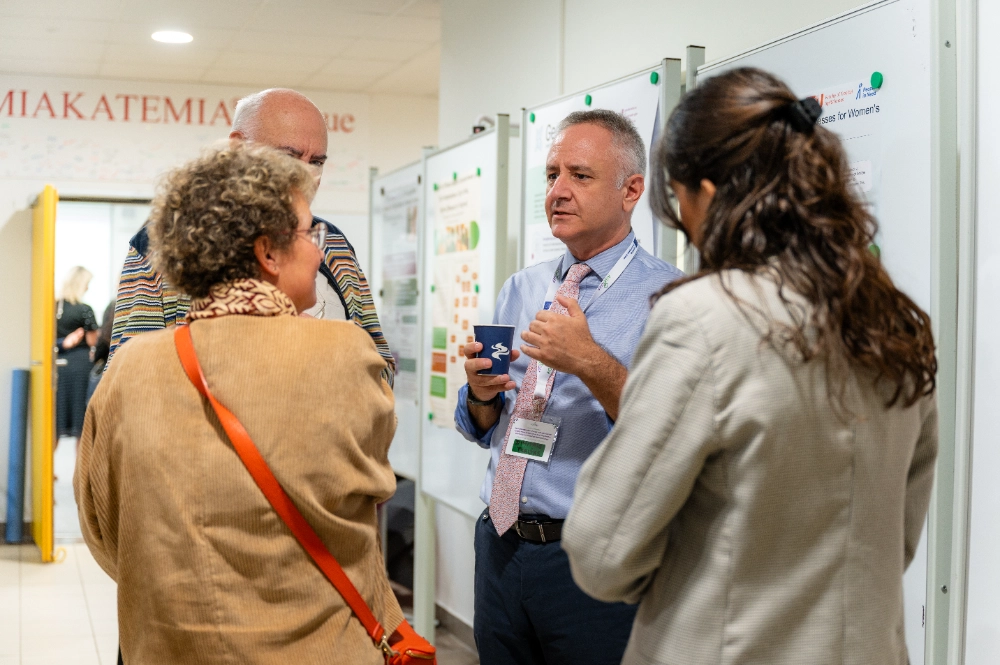
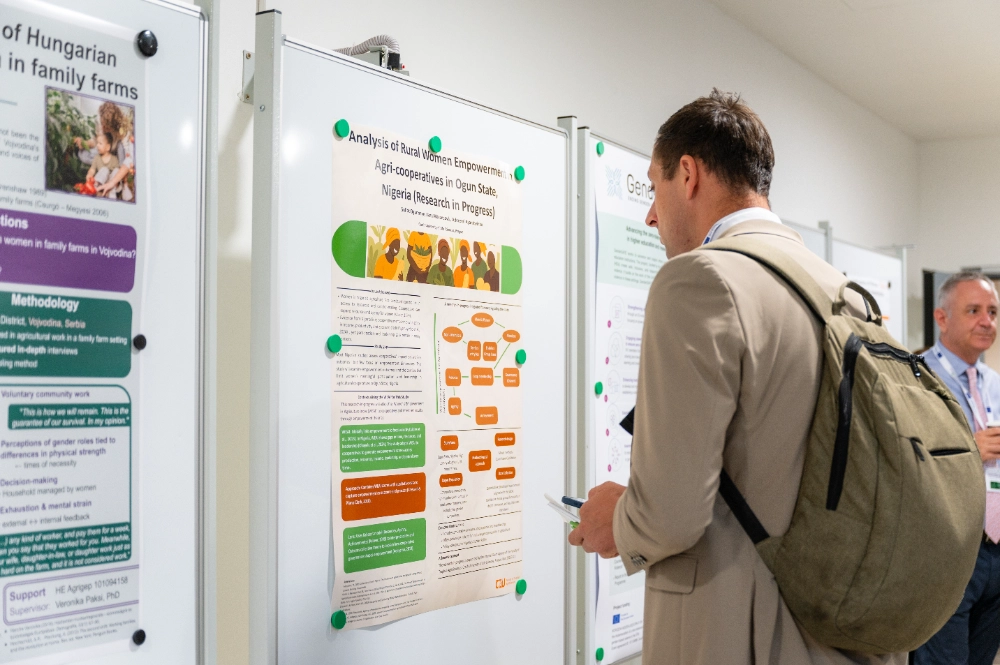
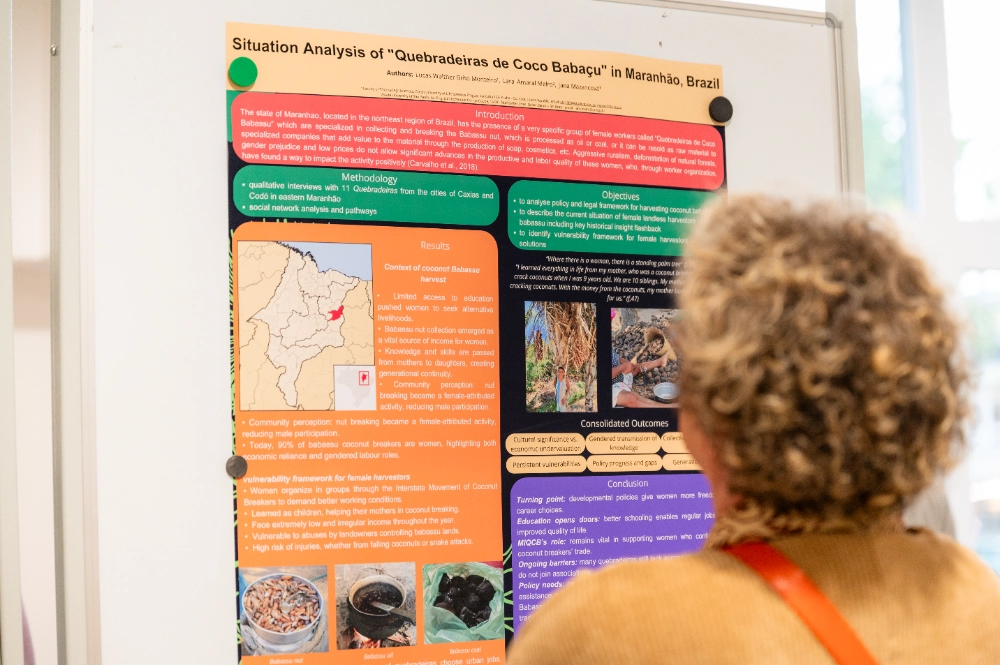
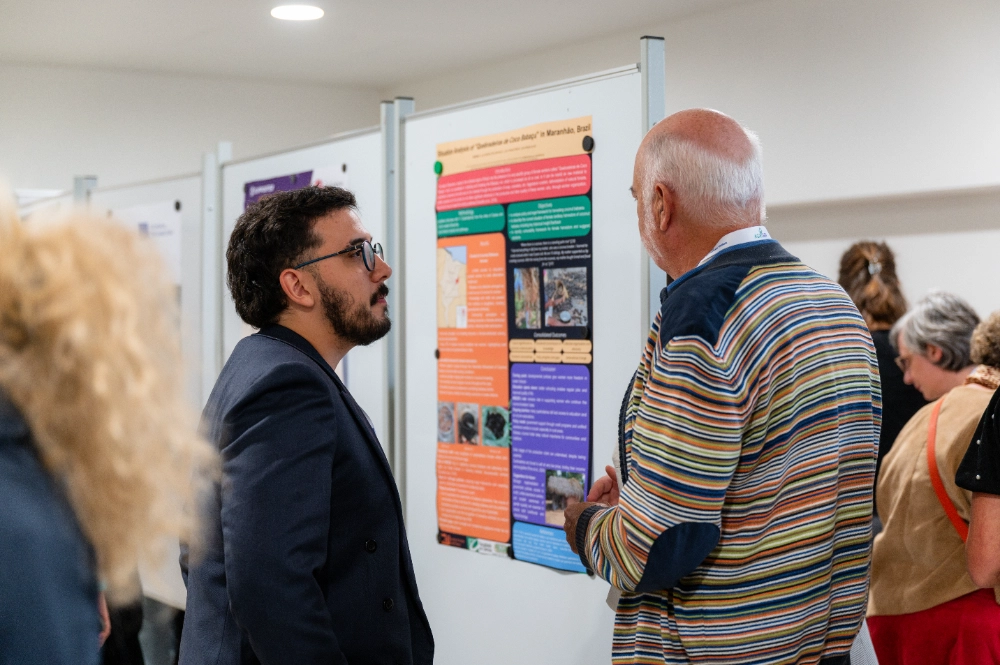
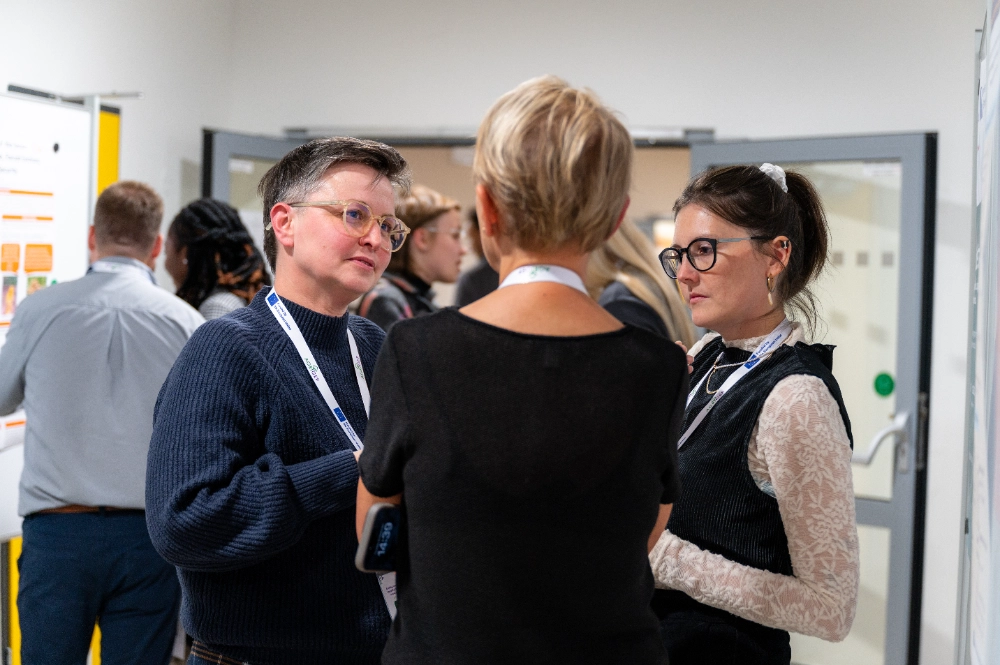
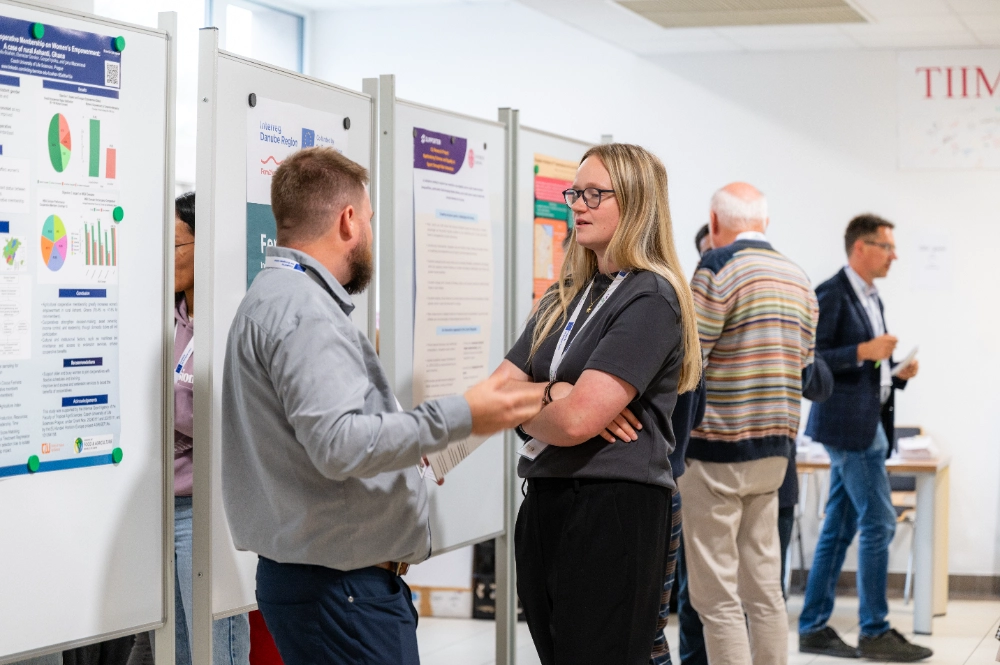
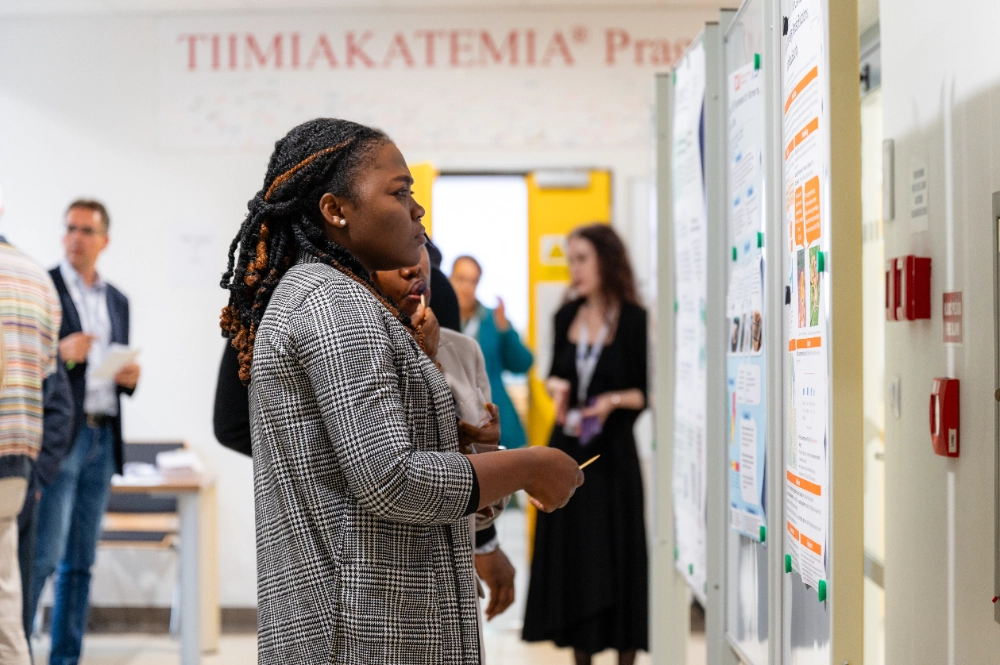
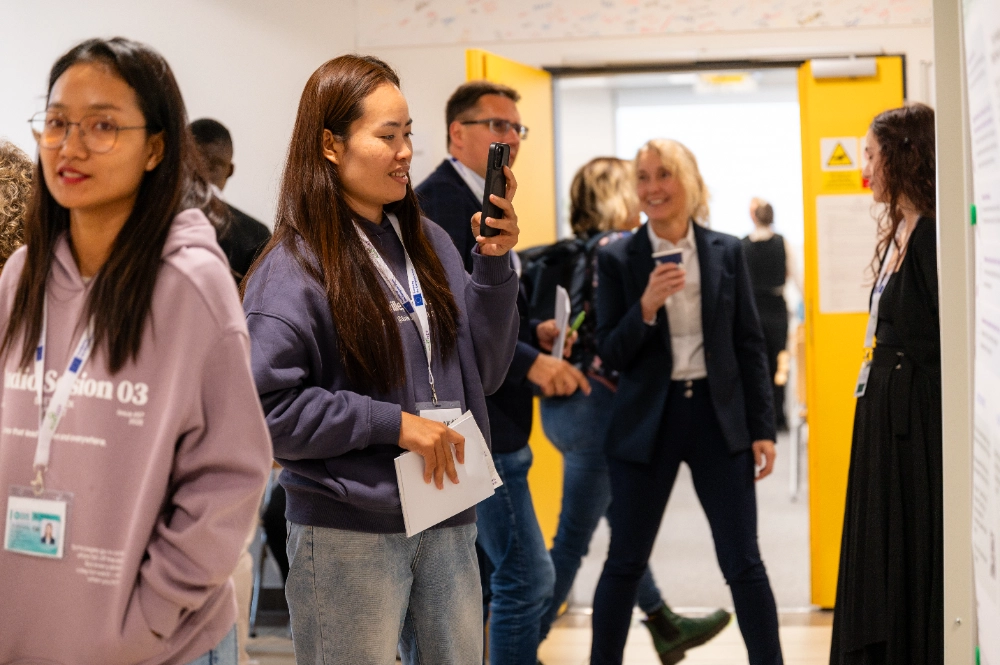
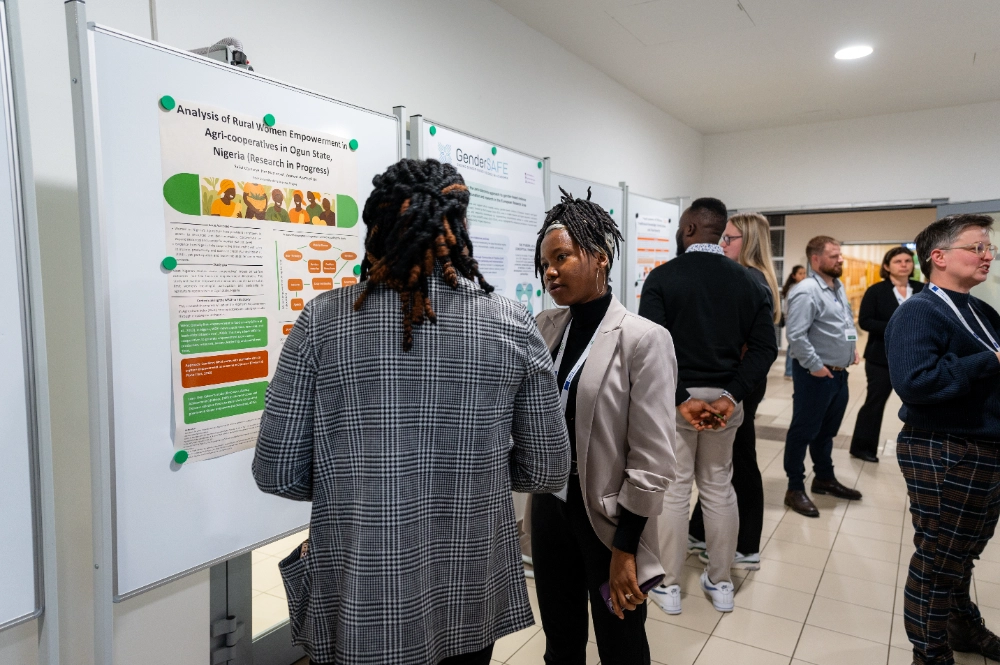
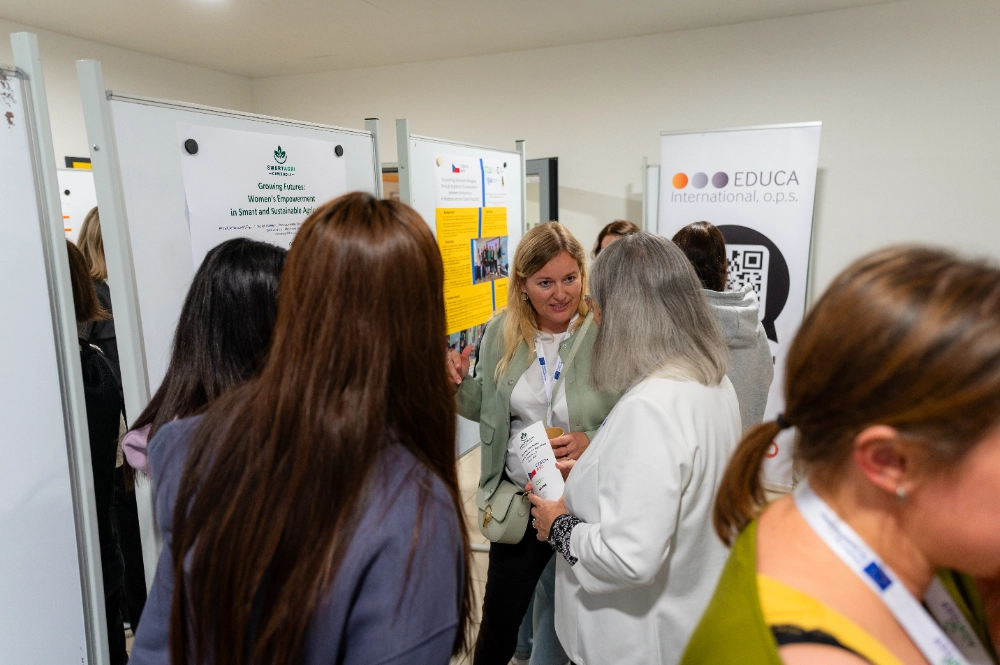
One of the highlights of the day was the engaging poster session, where students and early-career researchers presented their work in a friendly and open setting. The session created space for informal dialogue, networking, and the exchange of fresh ideas.
The conference concluded with a clear and inspiring message: achieving sustainable gender equality requires leadership commitment, institutional courage, and collective engagement.
With its warm and constructive spirit, the AGRIGEP Final Conference at ČZU was not only a reflection on what has been achieved, but also a celebration of teamwork, shared learning, and inspiration for the future.
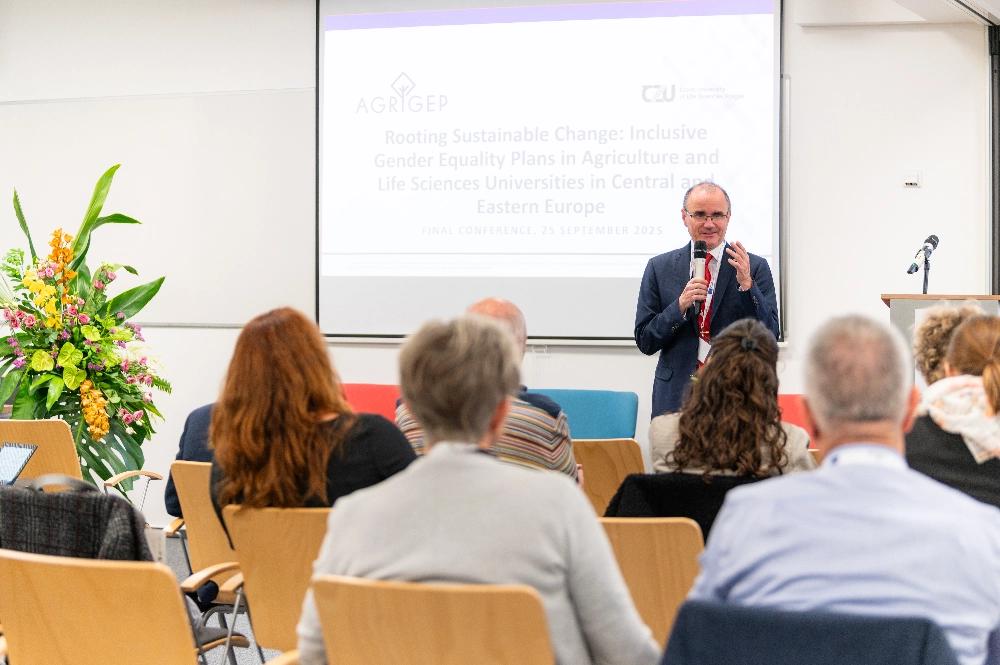
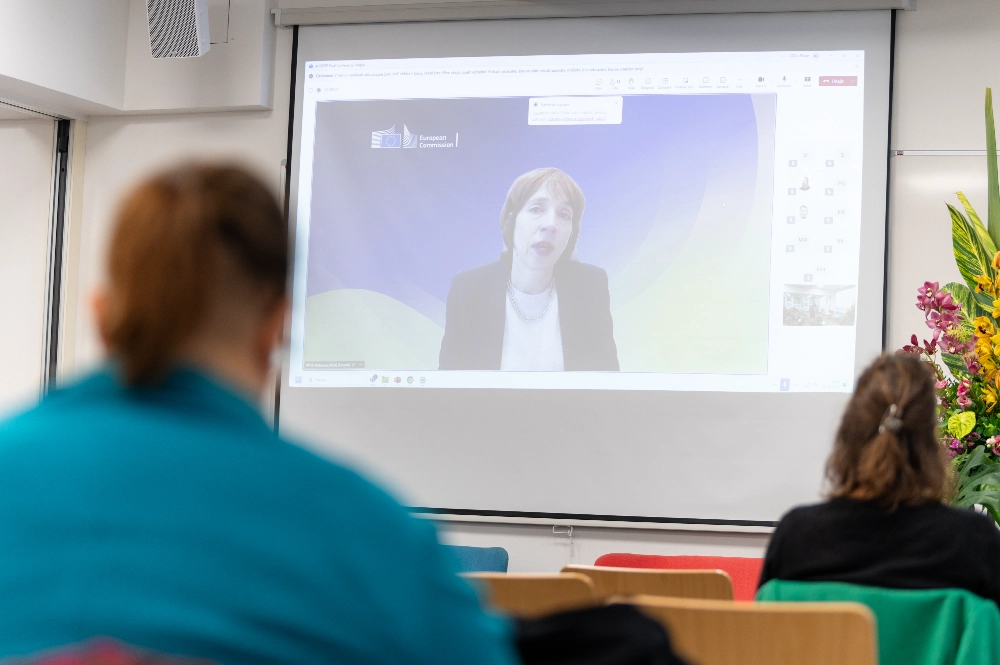
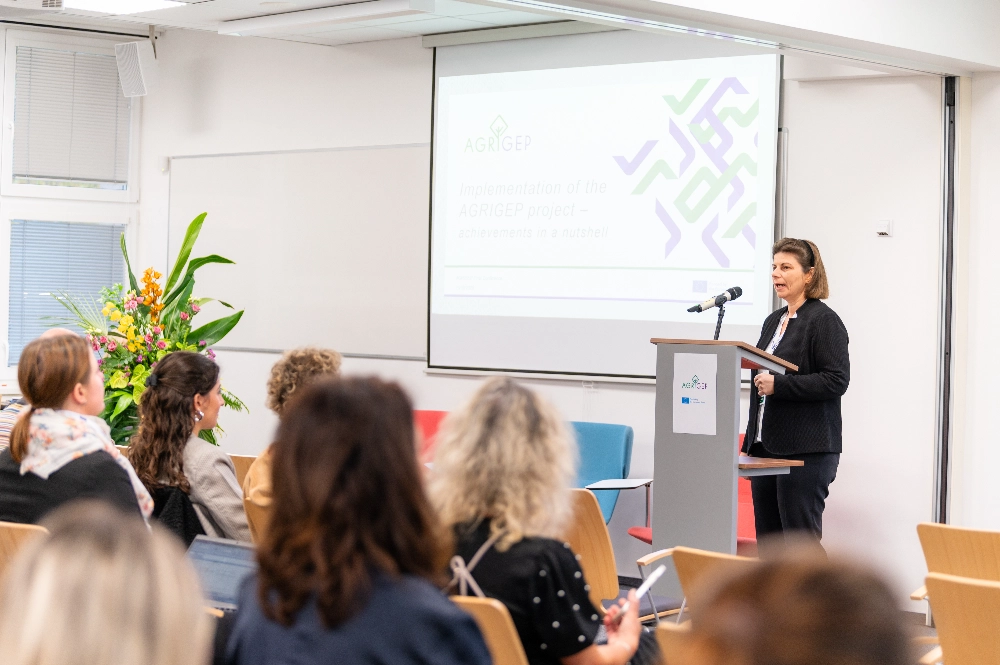
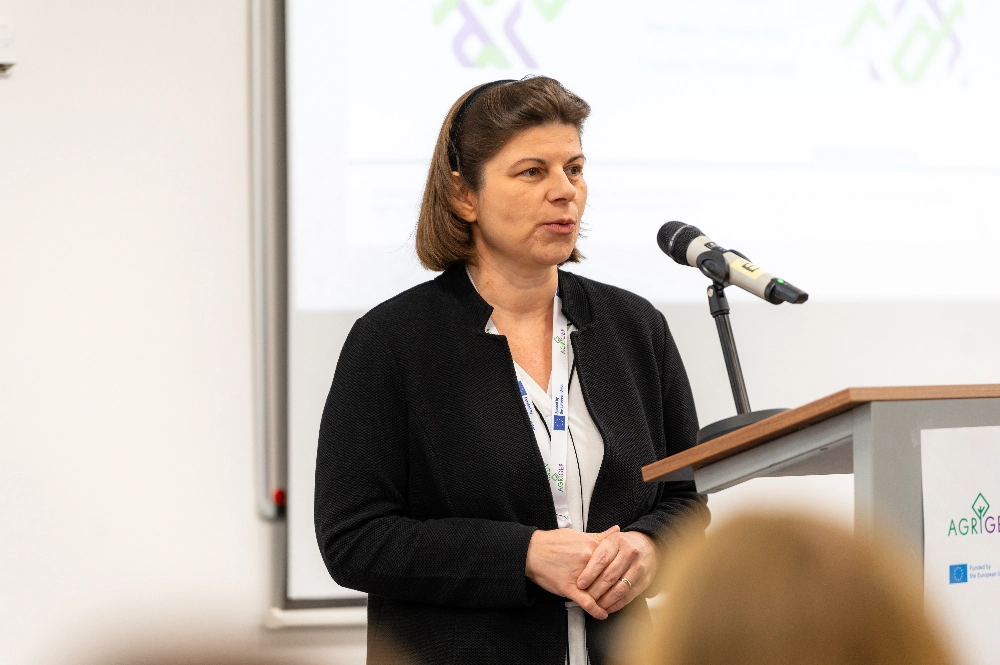
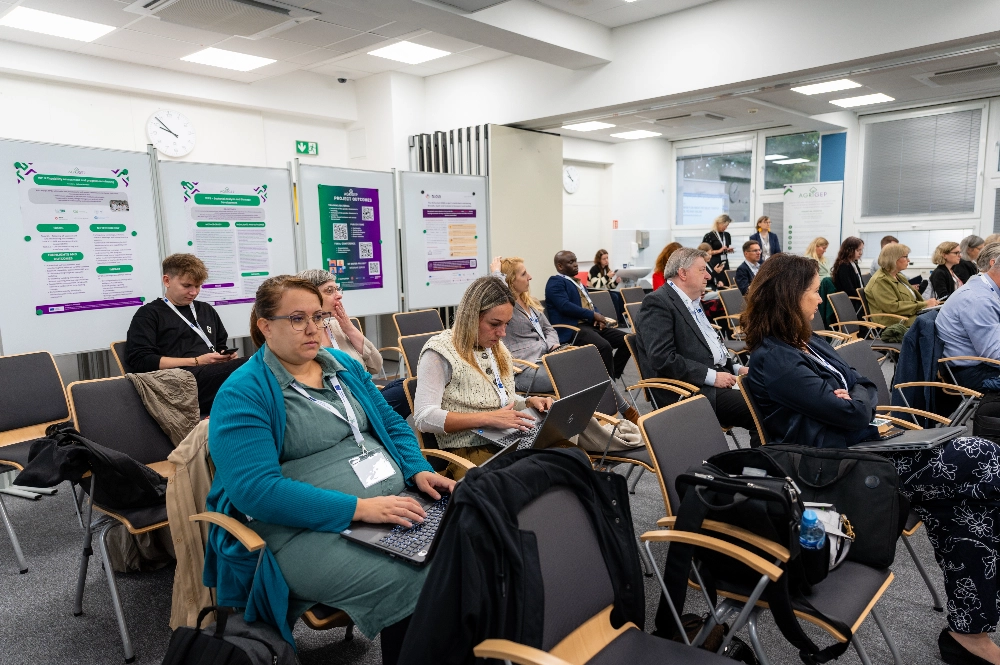
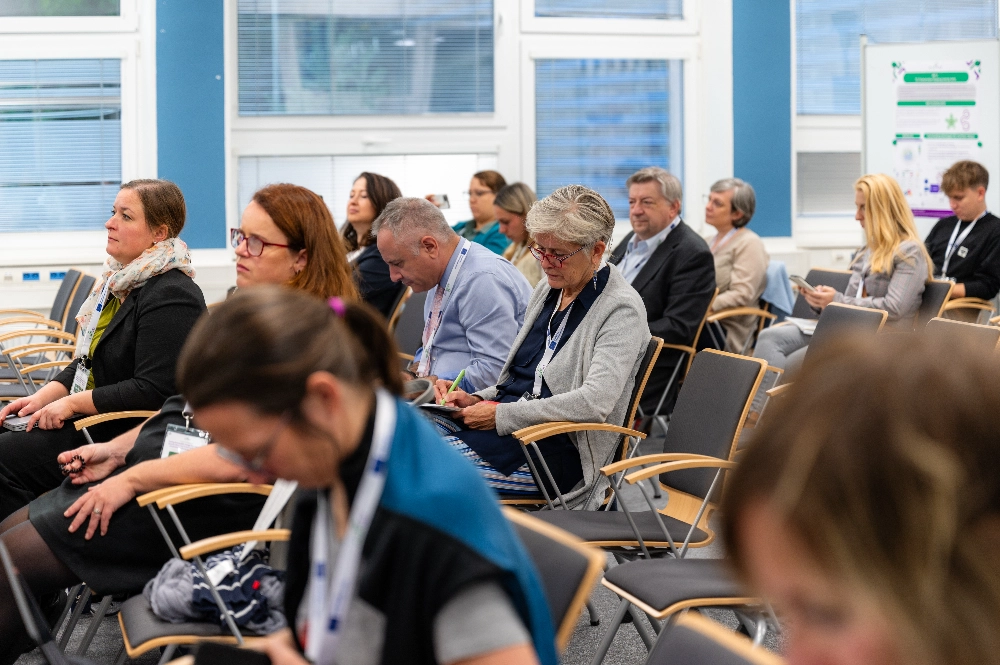
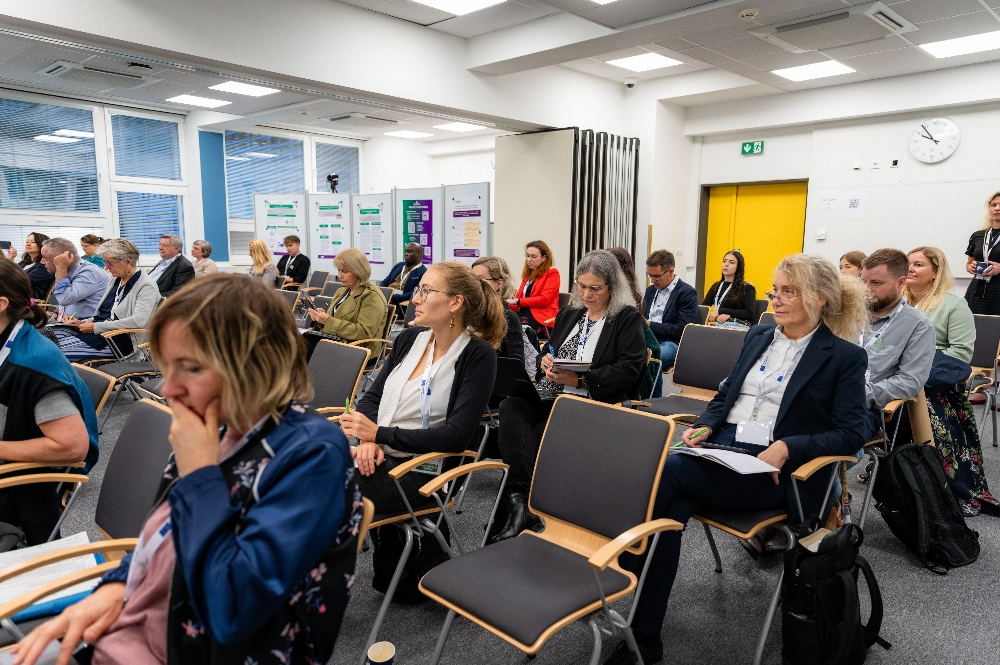
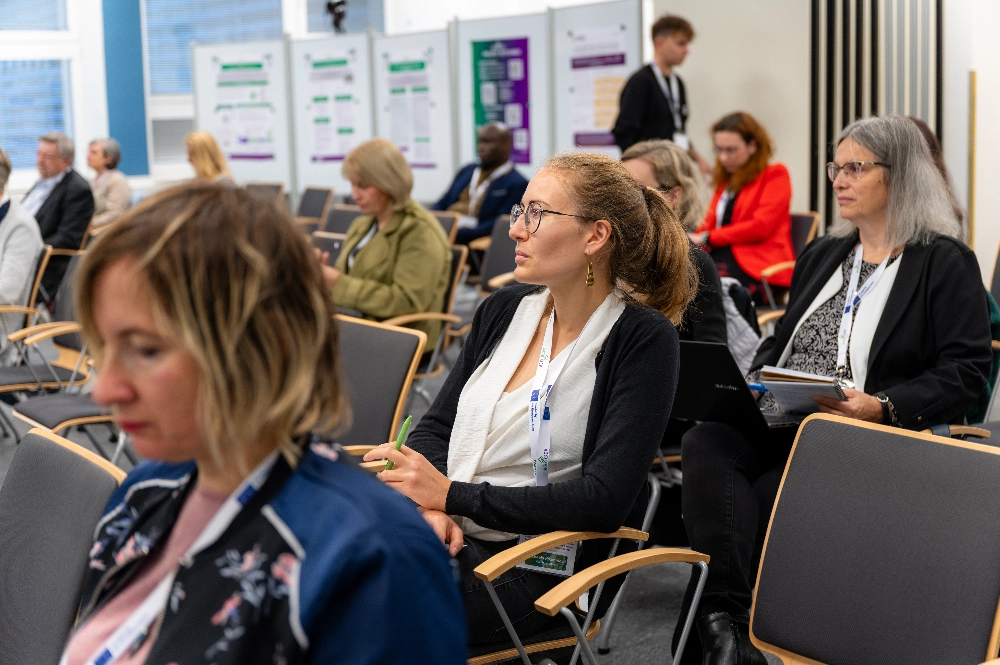
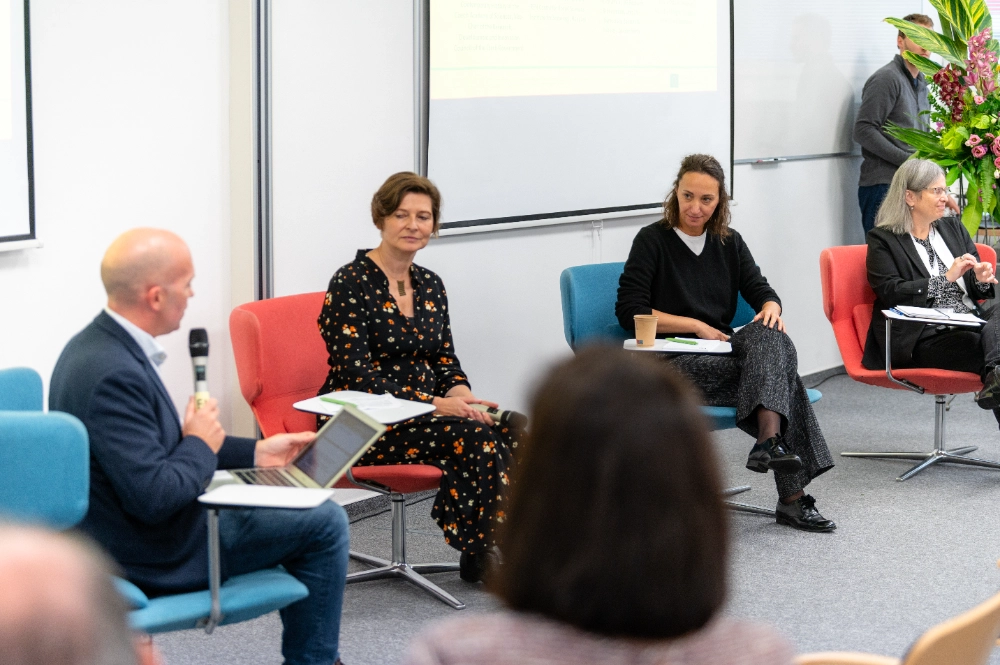
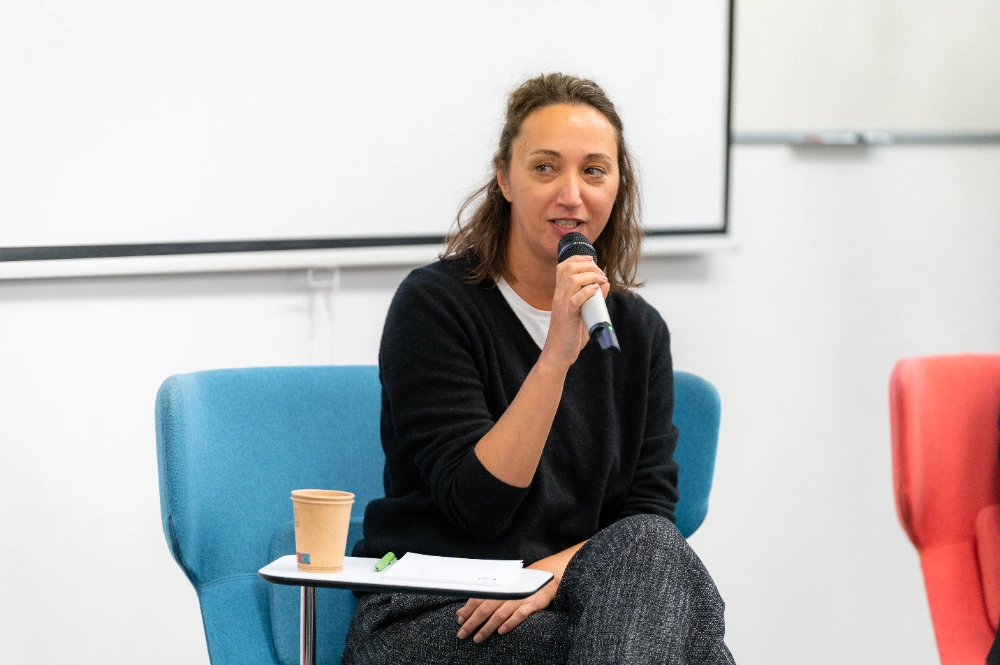
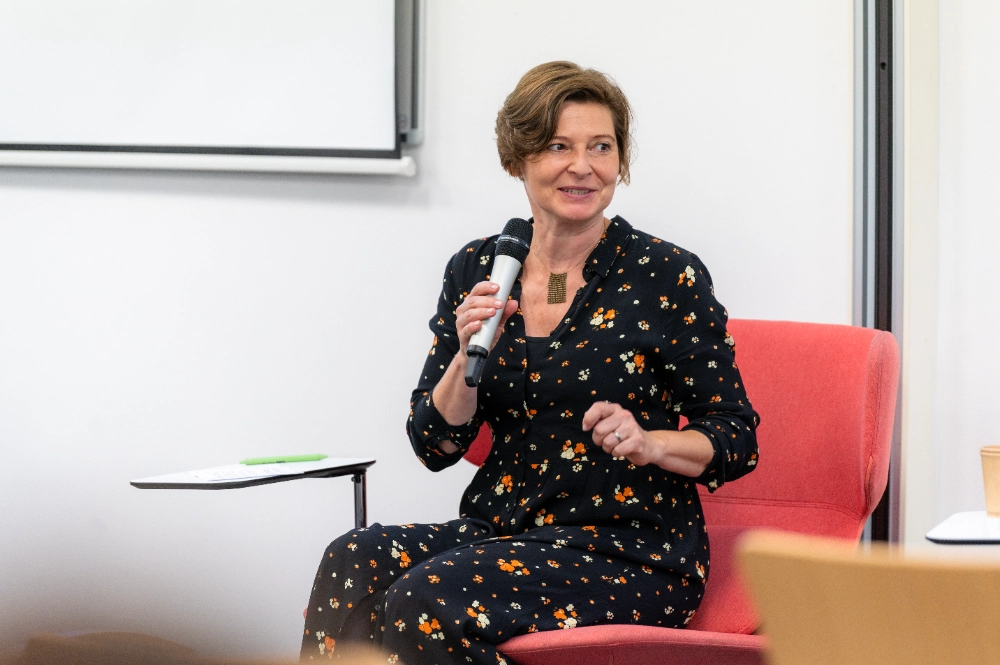
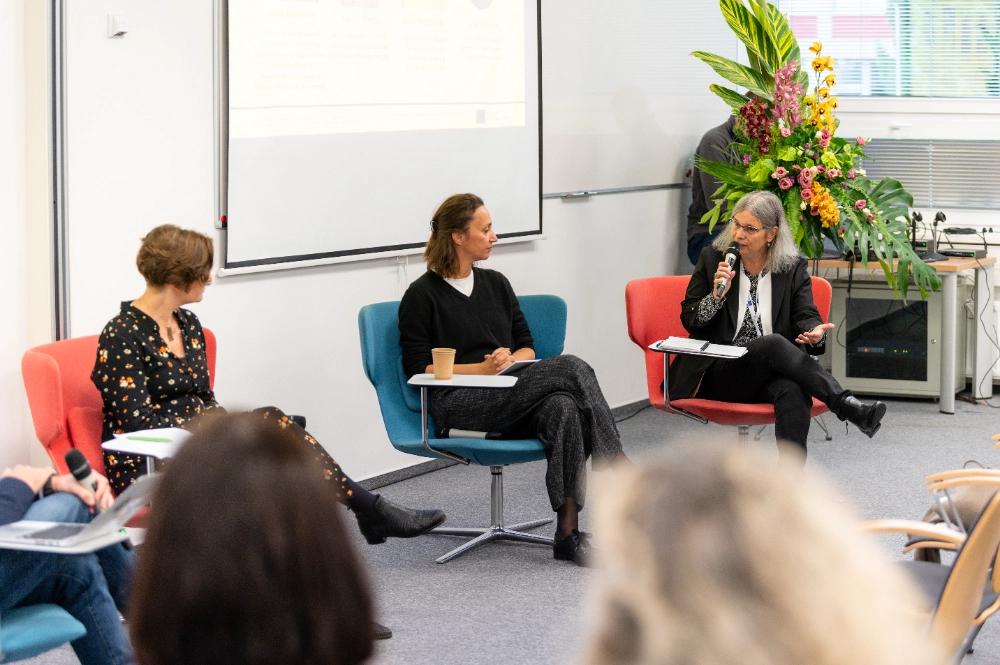
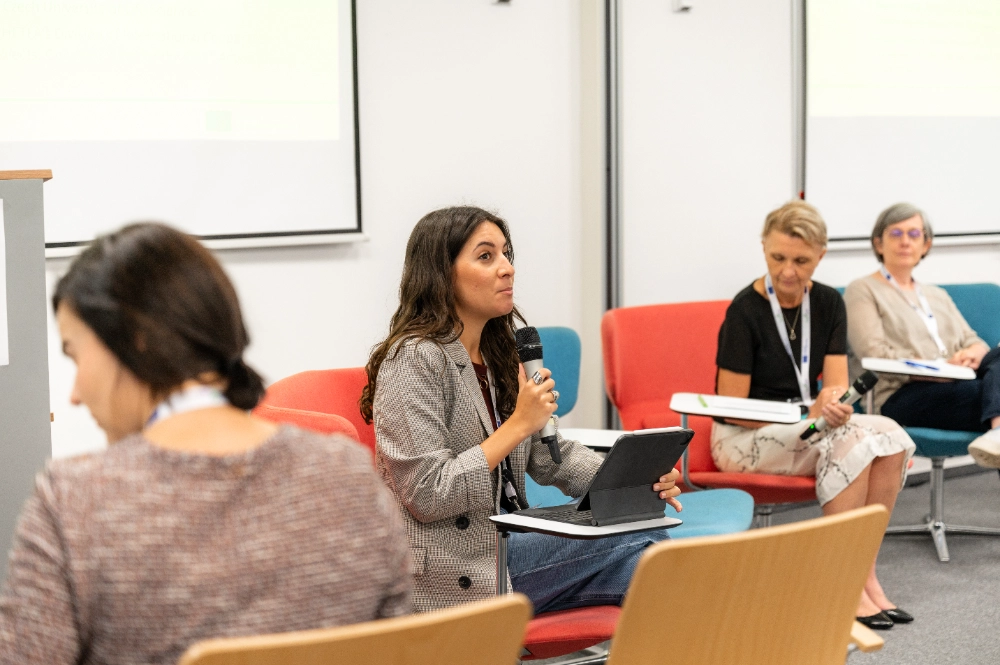
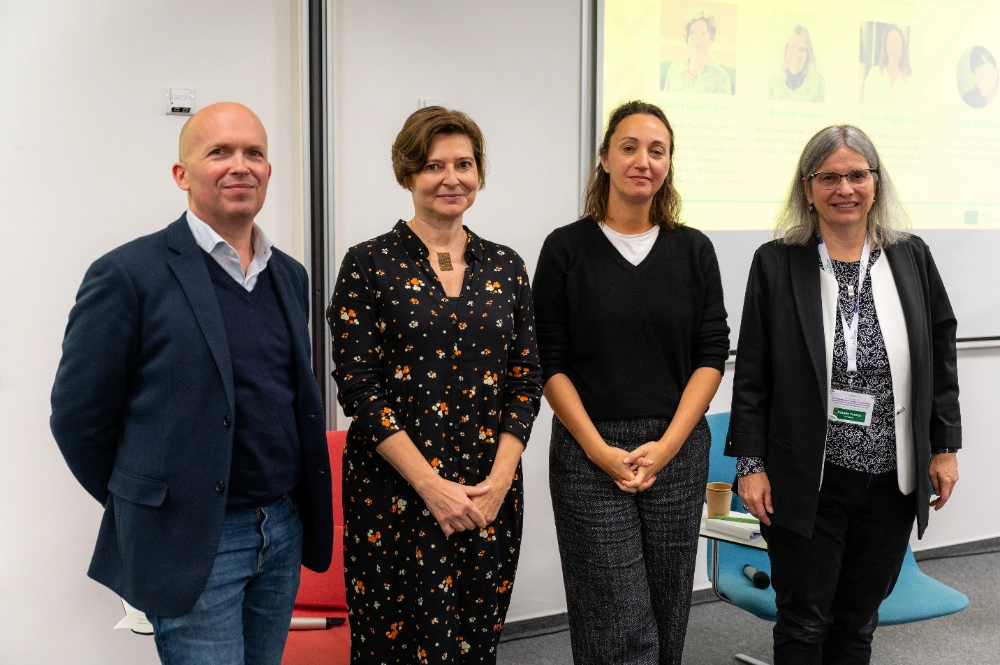
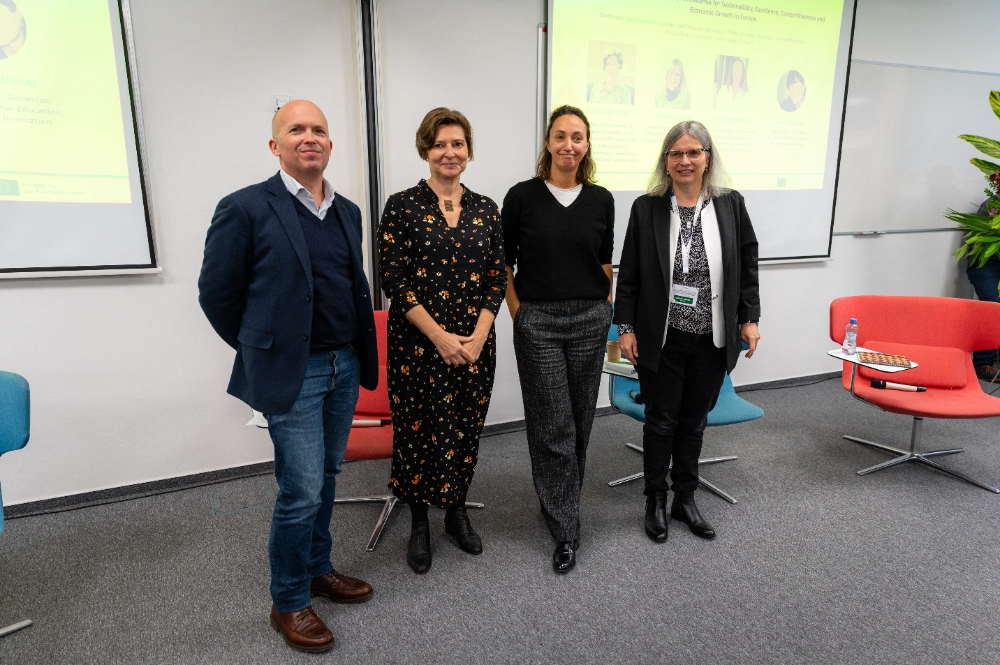
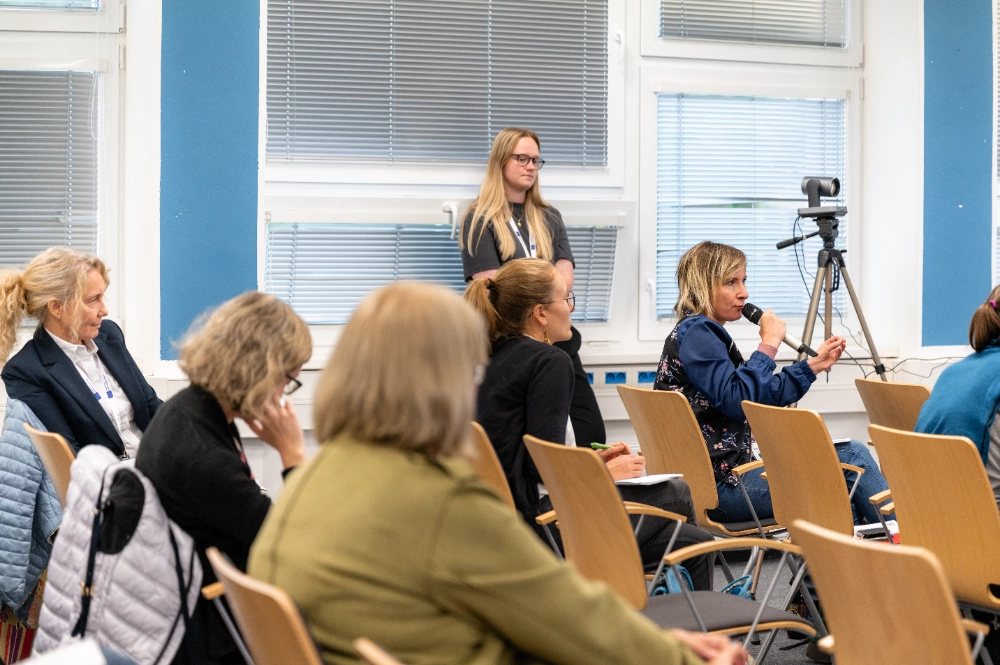
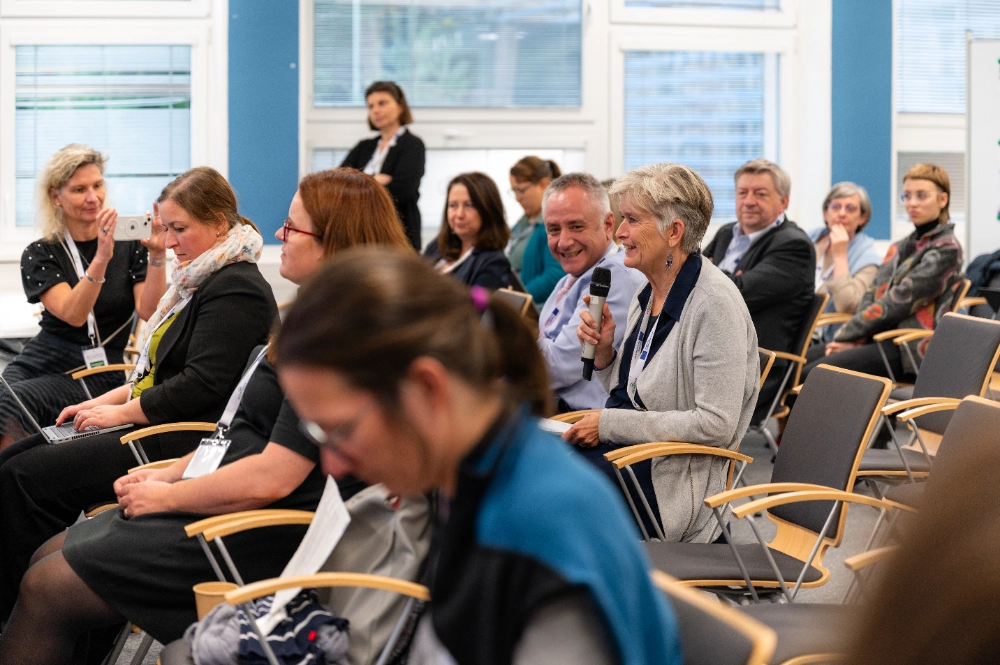
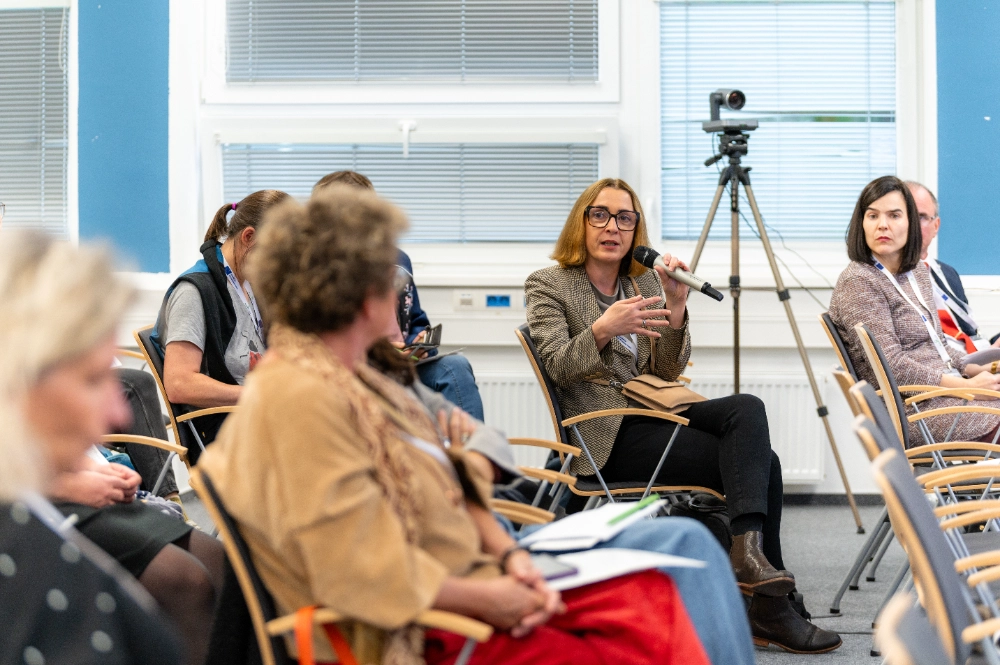
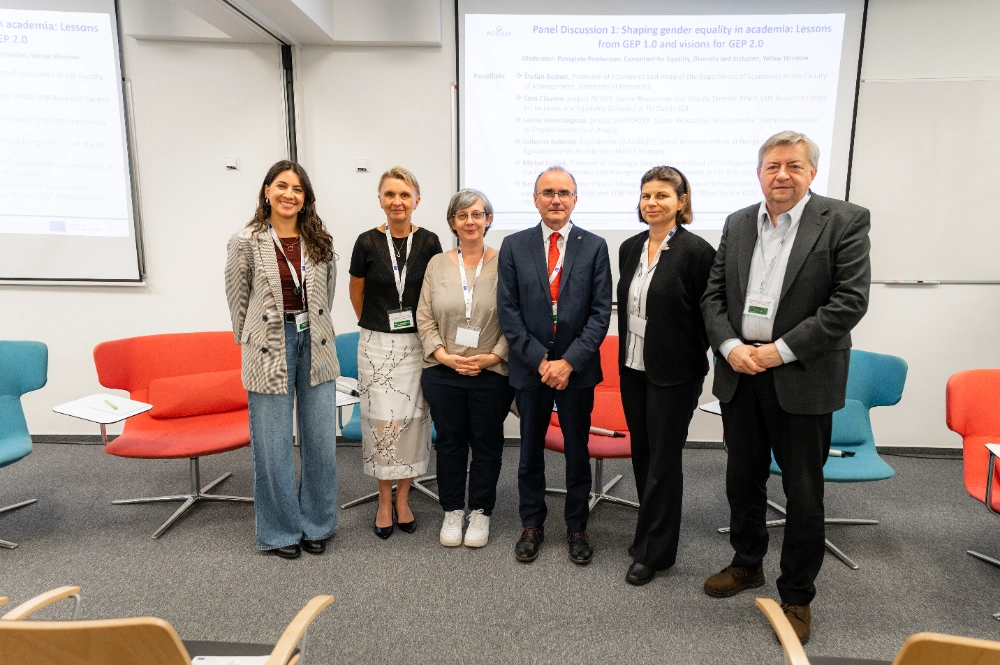
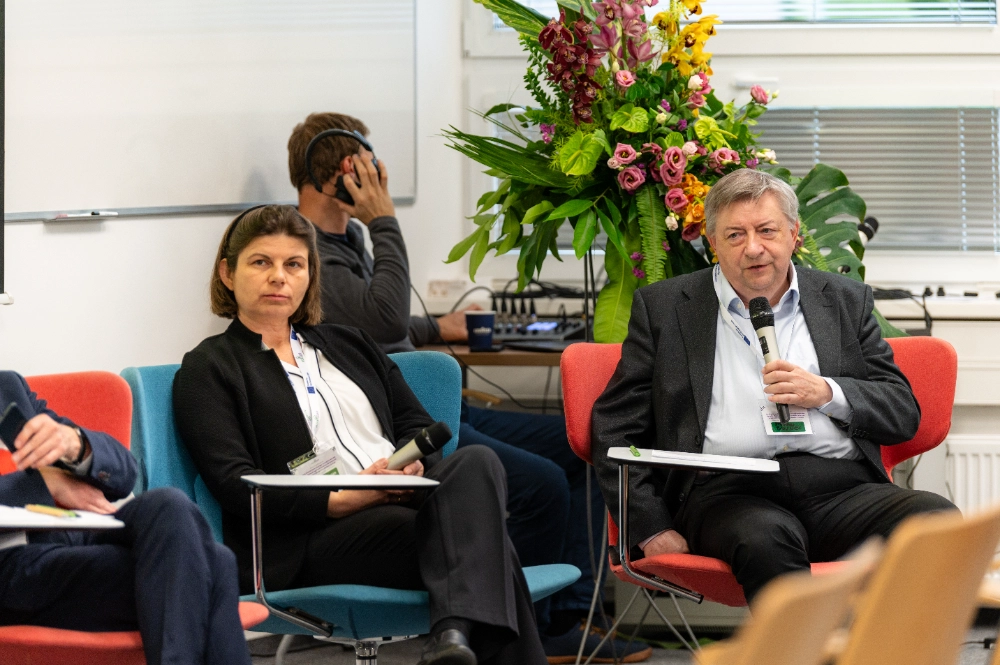
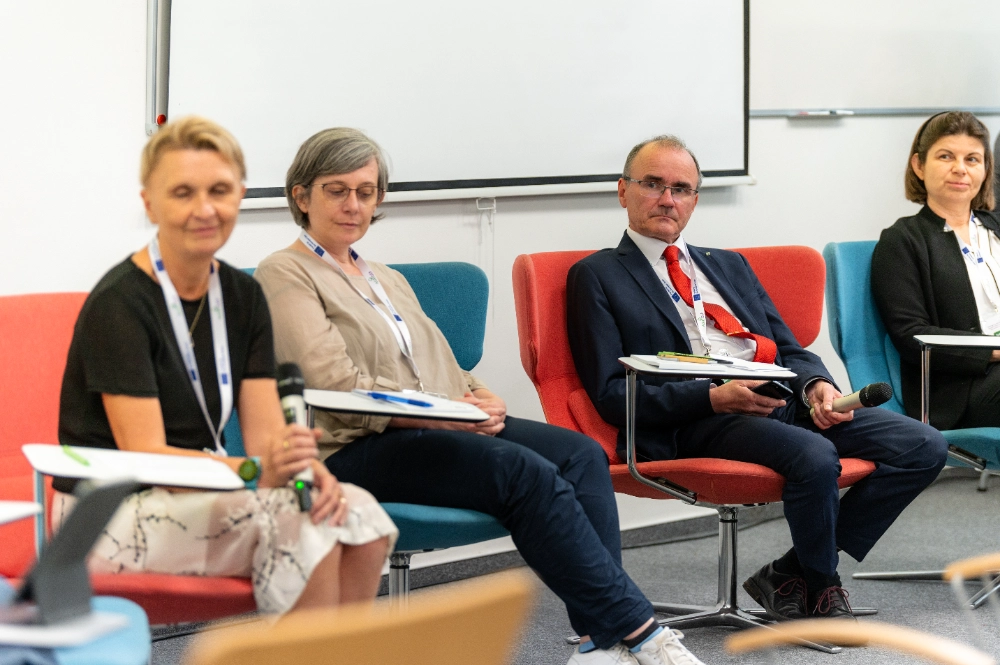
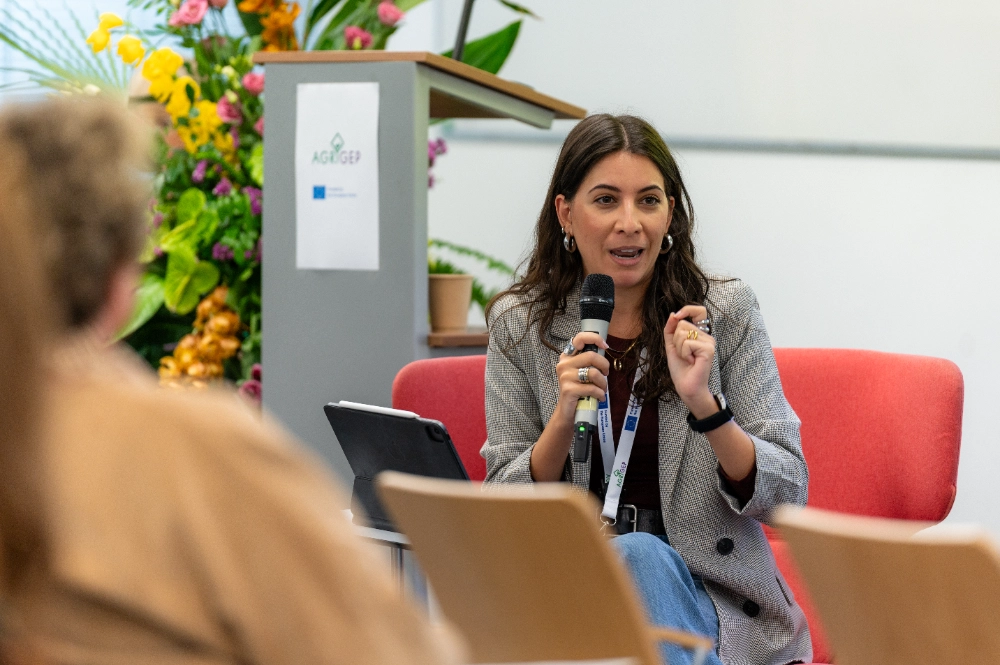
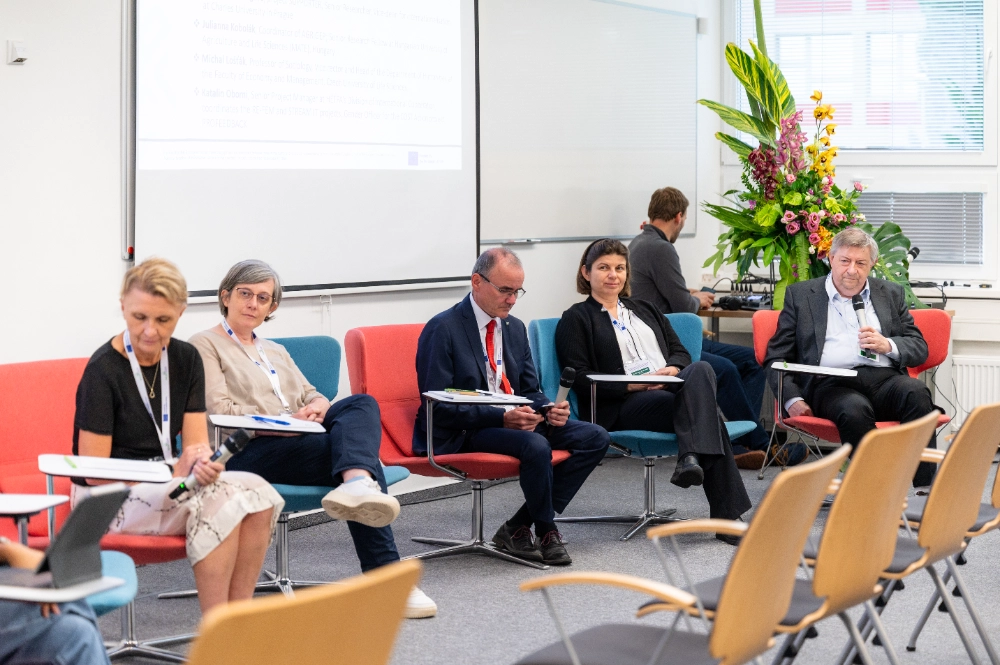
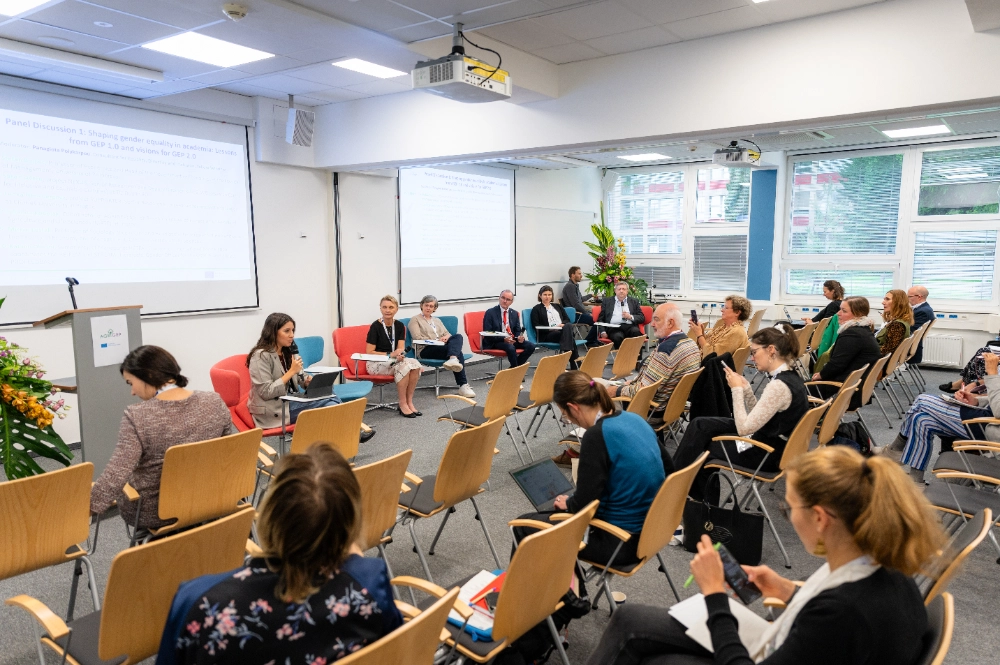
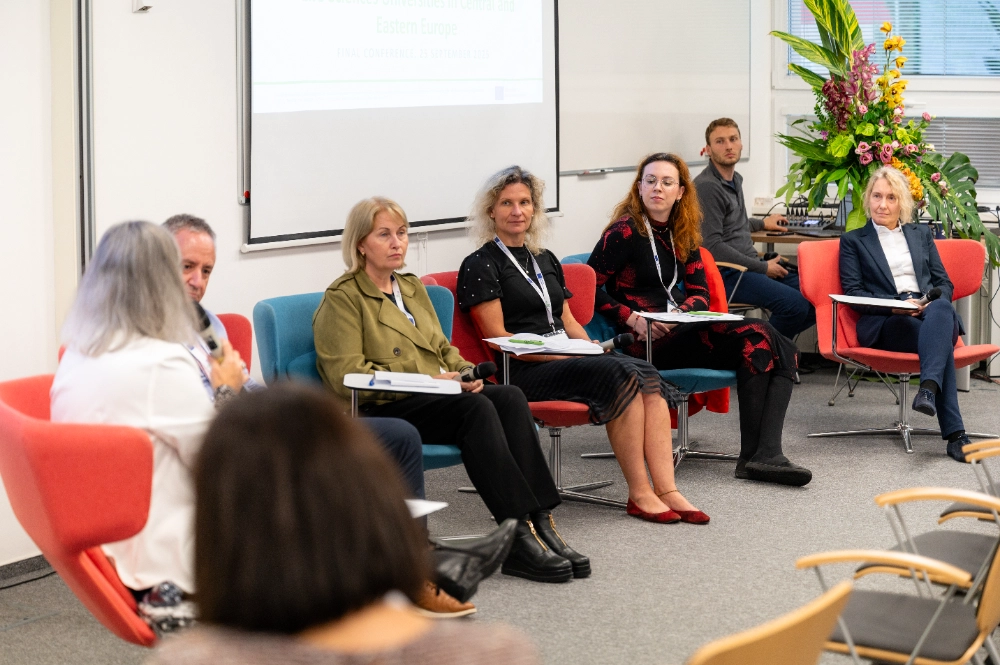
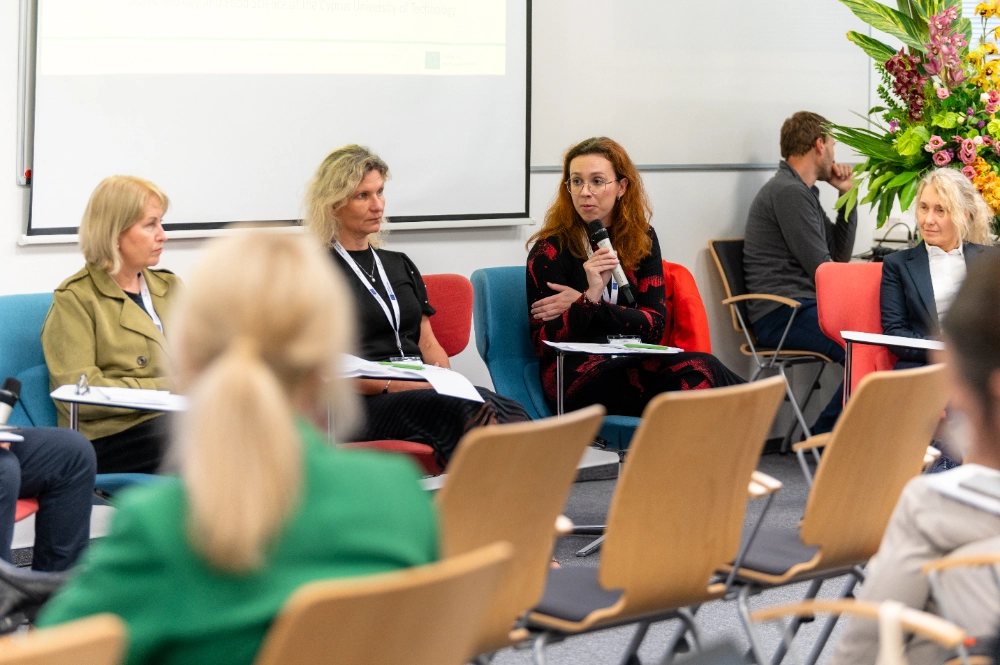
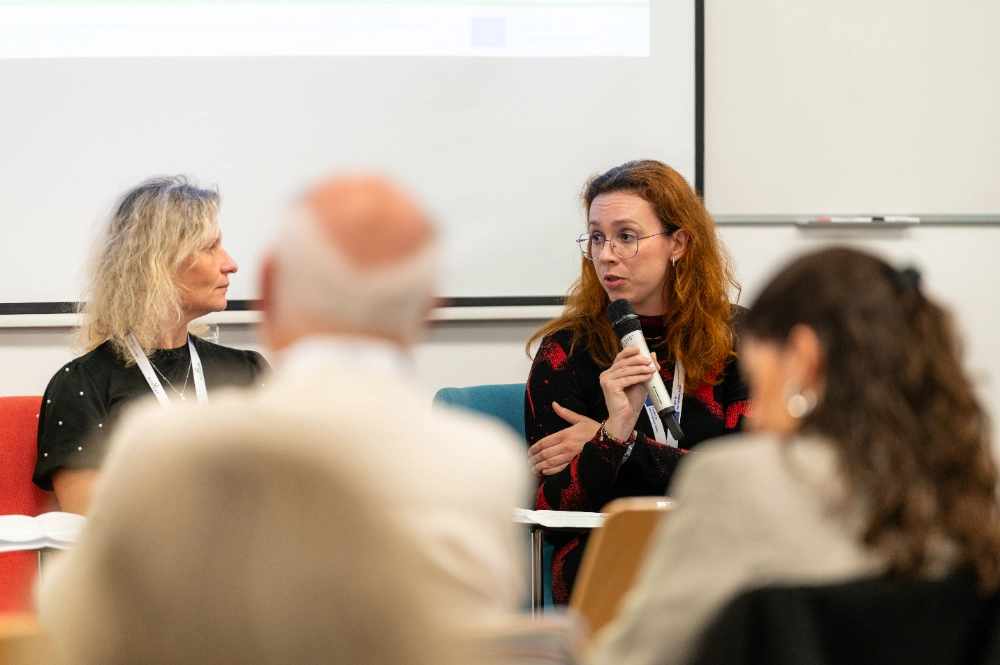
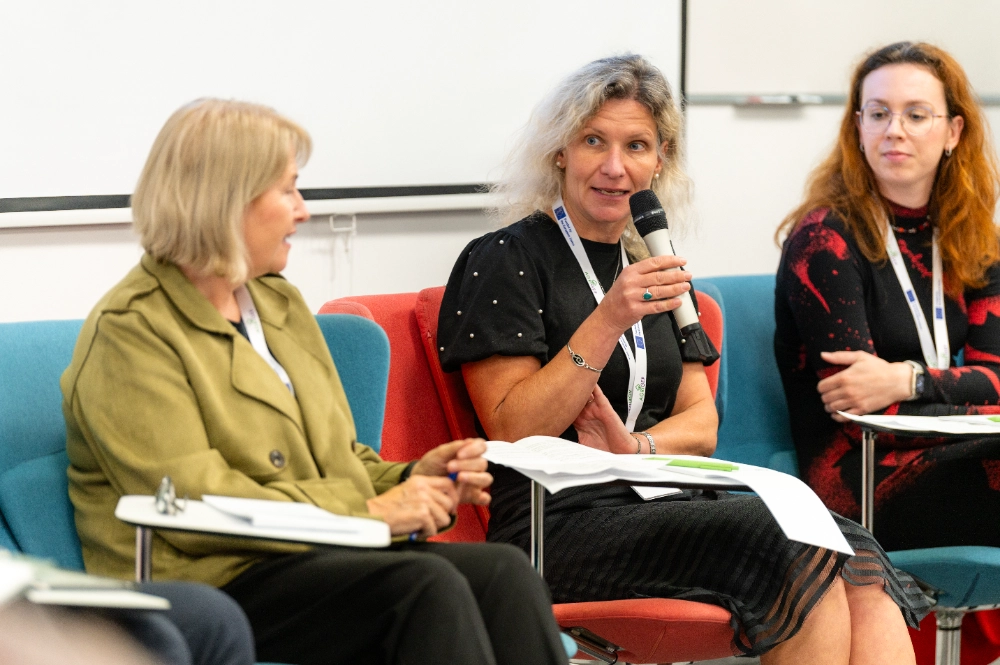
The AGRIGEP Final Conference confirmed that gender equality in agriculture and life sciences (ALS) universities is no longer a peripheral concern but a structural prerequisite for research excellence, innovation, and sustainable development. Positioned at the intersection of food security, climate transition, and rural innovation, ALS institutions face distinctive gendered challenges that generic equality approaches often fail to address. AGRIGEP demonstrated that meaningful progress requires moving beyond formal compliance towards deep, contextualised institutional change.
A central achievement of AGRIGEP has been supporting the transition from first-generation, compliance-driven Gender Equality Plans (GEP 1.0) to more strategic, embedded and sectorial-specific GEPs (GEP 2.0). While the Horizon Europe eligibility criterion triggered rapid adoption of GEPs across many widening countries, including a dramatic expansion in Central and Eastern Europe, the conference discussions highlighted the risks of “tick-box” approaches with weak ownership, limited budgets, and fragile governance. AGRIGEP provided evidence that GEPs become effective only when they are fully integrated into institutional strategies, leadership structures, and everyday decision-making.
Leadership emerged as a decisive factor, not in rhetoric but in action. Structural change requires visible commitment through regulations, budgets, workload models, and transparent handling of discrimination and harassment. Participants emphasised that safe, fair, and psychologically supportive working environments are not “soft issues” but core conditions for innovation and academic quality. At the same time, the conference highlighted the vulnerability of change agents. Equality officers and task-force members often carry a disproportionate emotional and organisational burden, making institutional progress fragile. Sustainable change, therefore, depends on formalising roles, sharing responsibility across teams, and recognising equality work as legitimate, resourced labour.
A key lesson from AGRIGEP was the underestimated importance of knowledge, communication, and capacity building. Many ALS academics lack formal training in gender or social analysis, making awareness-raising and conceptual clarity indispensable. The project’s training programmes, mentoring activities, and locally adapted materials showed that continuous education must be treated as a core pillar of GEP implementation, not as an optional add-on.
The conference further stressed the importance of robust data, monitoring, and accountability. Compliance checks alone are insufficient; institutions must track budgets, implementation processes, and the lived experiences of staff and students. Stakeholder mapping and participatory approaches proved essential for identifying allies, understanding resistance, and amplifying the voices of students and early-career researchers. Gender equality cannot be driven solely by rectorates; it must be co-created across institutional levels.
Importantly, AGRIGEP highlighted ALS-specific conditions that demand tailored responses: fieldwork, labs, internships, and rural placements expose students and staff to particular risks, including harassment in remote or external settings. Integrating safety protocols, ethical standards, and gender-sensitive supervision into ALS practices is therefore a structural necessity. Beyond universities, persistent stereotypes and pipeline challenges underline the need for outreach, mentoring, and challenge-based education that links gender equality to sustainability, innovation, and rural futures.
In conclusion, AGRIGEP confirms that structural change in ALS universities is both possible and necessary. It requires alignment between EU-level frameworks, courageous institutional governance, supported change agents, and everyday practices in teaching, research, and engagement. Gender equality, when rooted in sector-specific realities, strengthens not only fairness but the long-term resilience and societal relevance of agriculture and life sciences.
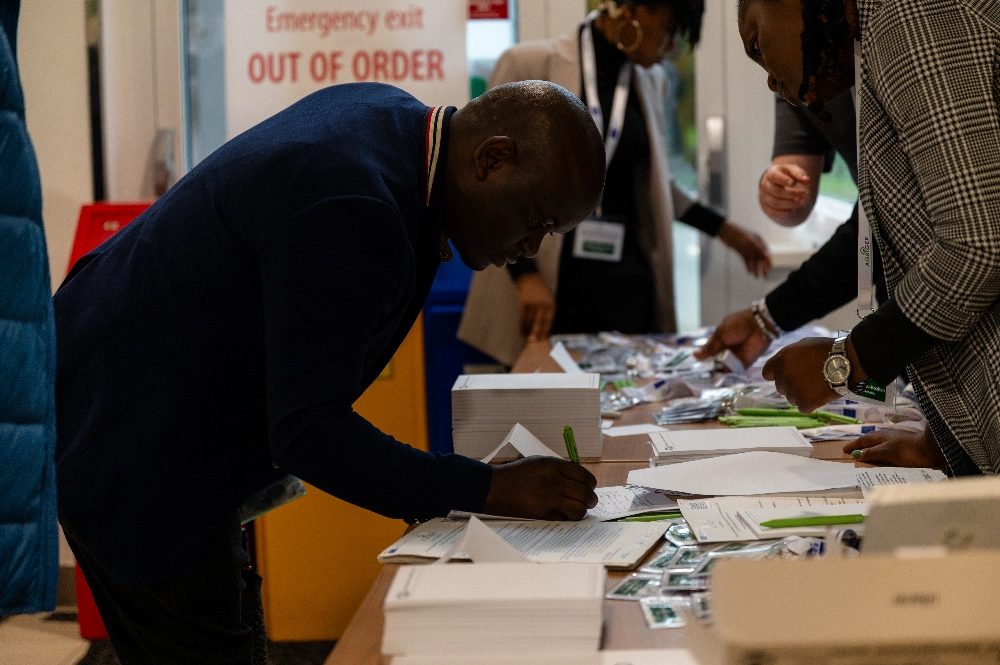
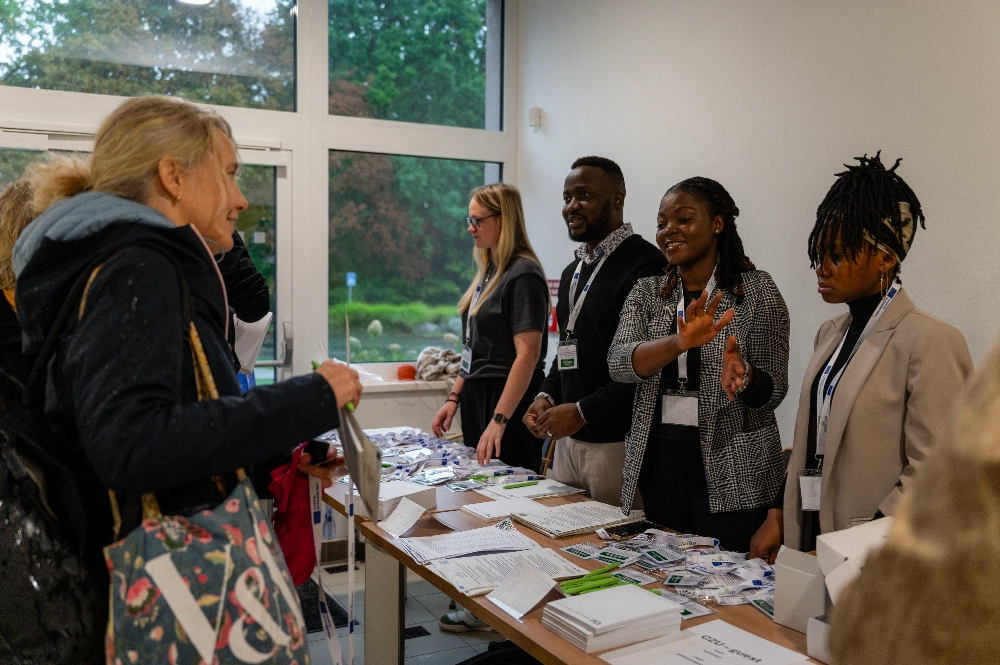
9:00 Registration
Conference Moderator:
Gema Calleja Sanz, Universitat Politècnica de Catalunya (UPC)
9:30 Opening Session
Prof. Michal Lošťák, Vice-rector, Czech University of Life Sciences
Julianna Kobolák, Senior Researcher, Hungarian University of Agriculture and Life Sciences, AGRIGEP project coordinator
Katharina Buse, Project Officer, European Research Executive Agency
10:00 Keynote Speech
Marcela Linková, Head of the Centre for Gender and Science at the Institute of Sociology of the Czech Academy of Sciences, Member State Co-Chair of the ERA Forum Sub-group on Inclusive Gender Equality, an advisory body to the European Commission.
10.30 Coffee Break
10.50 Policy Round Table: Advancing Gender Equality in Academia for Sustainability, Excellence, Competitiveness and Economic Growth in Europe
Moderator:
Maxime Forest, Gender and Policy Design Expert, Yellow Window, Senior Lecturer and Research Associate at Sciences Po (OFCE, Urban School)
Speakers:
Adéla Gjuričová, Director of the Institute of Contemporary History of the Czech Academy of Sciences, Vice-Chair of the Research, Development and Innovation Council of the Czech Government
Katalin Tardos, Senior Researcher of the HUN-REN Centre for Social Sciences, Institute for Sociology, Hungary
Hana Tenglerová, Policy Officer, DG Research & Innovation, Unit D4 – Democracy, Equality & Culture – Gender Sector
Gita Zadnikar, Policy Officer, Slovenian Ministry of Higher Education, Science and Innovation
12.15 Lunch break
13.15 Panel Discussion 1: Shaping gender equality in academia: Lessons from GEP 1.0 and visions for GEP 2.0
Moderator:
Panagiota Polykarpou, Consultant for Equality, Diversity and Inclusion, Yellow Window
Panellists:
Štefan Bojnec, Professor of Economics and Head of the Department of Economics at the Faculty of Management, University of Primorska
Sara Clavero, project NEXUS, Senior Researcher and Deputy Director RINCE (AIB Research Centre for Inclusive and Equitable Cultures) at TU Dublin EDI
Lenka Henebergová, project SUPPORTER, Senior Researcher, Vice-dean for internationalisation at Charles University in Prague
Julianna Kobolák, Coordinator of AGRIGEP; Senior Research Fellow at Hungarian University of Agriculture and Life Sciences (MATE), Hungary
Michal Lošťák, Professor of Sociology, Vice rector and Head of the Department of Humanities at the Faculty of Economy and Management, Czech University of Life Sciences
Katalin Oborni, Senior Project Manager at HÉTFA’s Division of International Cooperation, coordinates the RE-FEM and STREAM IT projects, Gender Officer for the COST Action project PROFEEDBACK
14.30 Poster Pitch session with coffee
15.45 Panel Discussion 2: Advancing gender equality in Agriculture and Life Sciences
Opening presentation:
Veronika Paksi, research fellow at the Institute for Sociology, Centre for Social Sciences (Hungarian Academy of Sciences Centre of Excellence)
Moderator:
Katalin Tardos, Senior Researcher of the HUN-REN Centre for Social Sciences, Institute for Sociology
Panellists:
Maura Farrell, FLIARA project, Senior Lecturer, School of Geography and Archaeology, National University of Ireland, Galway
Jana Mazancová, AGRIGEP project, Senior Researcher at the Department of Sustainable Technology, Faculty of Tropical AgriSciences, Czech University of Life Sciences Prague
Petra Palátová, Fem2forests project, Lecturer and researcher at the Faculty of Forestry and Wood Sciences, Czech University of Life Sciences in Prague.
Dimitris Tsaltas, Professor and Director of Agricultural Microbiology and Biotechnology Laboratory, Head of Department of Agricultural Sciences, Biotechnology and Food Science at the Cyprus University of Technology
17.00 Final Remarks
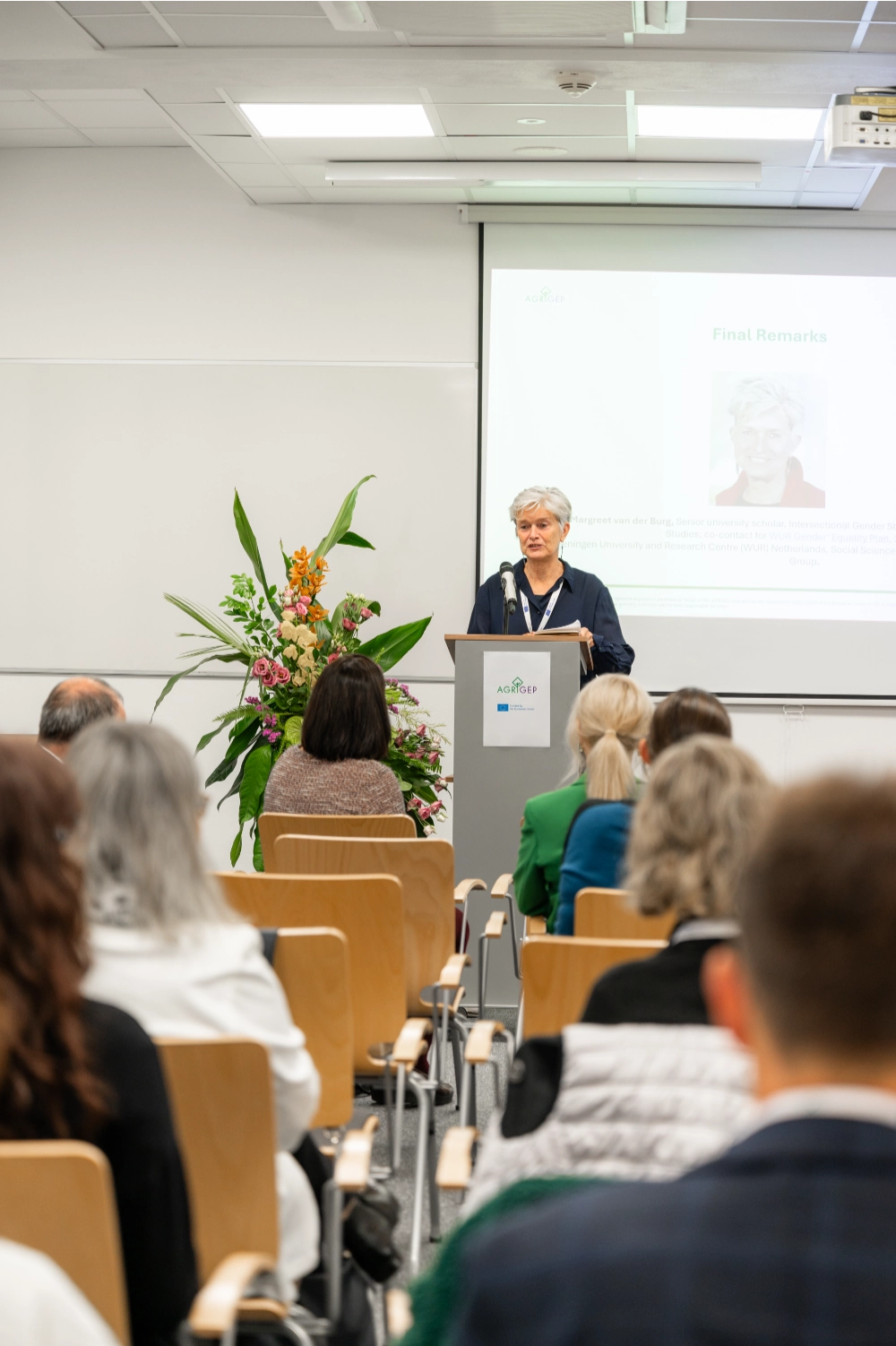
Margreet van der Burg, Senior UD – University Lecturer/Researcher, Intersectional Gender Studies/History related to Food, Agricultural and Rural Research and Development, Knowledge, Technology and Innovation, Social Sciences, Wageningen University
17.15 Closure of the conference

Head of the Centre for Gender and Science at the Institute of Sociology of the Czech Academy of Sciences, Member State Co-Chair of the ERA Forum Sub-group on Inclusive Gender Equality, an advisory body to the European Commission.
“Gender equality is not just a policy. It is a condition for building fair and safe working environments and hence academic freedom and research excellence. Institutions that respect, include and support all their members are not just more just; they create conditions for doing our best. Together, we can then contribute research that helps to tackle the pressing challenges of our time”.
„Equal opportunities and a fair and supportive approach to researchers at various career stages are not just a box-ticking exercise, but a path to higher-quality research and a stronger sense of belonging within our institutions. However, the meaning of these values, the specific measures taken, and the language we use to promote them must be continually reconsidered and openly discussed.“
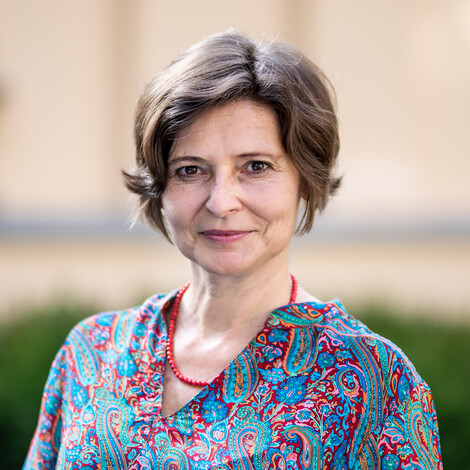
Director of the Institute of Contemporary History of the Czech Academy of Sciences, Vice-Chair of the Research, Development and Innovation Council of the Czech Government

Senior Project Manager at HÉTFA’s Division of International Cooperation, coordinates the RE-FEM and STREAM IT projects. She also serves as the Gender Officer for the COST Action project PROFEEDBACK, coordinated by HÉTFA RI
“As coordinator of the STREAM IT project, I am pleased to share insights from our research, which focused on understanding the persistent gender inequalities in STEAM education and shaping effective interventions to address them. I believe these findings will be valuable for the next generation of GEPs, although many of our results also show that improving gender equality within HEIs requires efforts beyond the university itself, such as the early integration of gender-sensitive teaching and addressing stereotypes in society.”
“Effective Gender Equality Plans require strong leadership commitment, regular monitoring, and evaluation to drive sustainable change in academia. It’s essential to build on the lessons learned from the past while acknowledging and addressing emerging challenges.”

Policy Officer, DG Research & Innovation, Unit D4 – Democracy, Equality &
Culture – Gender Sector
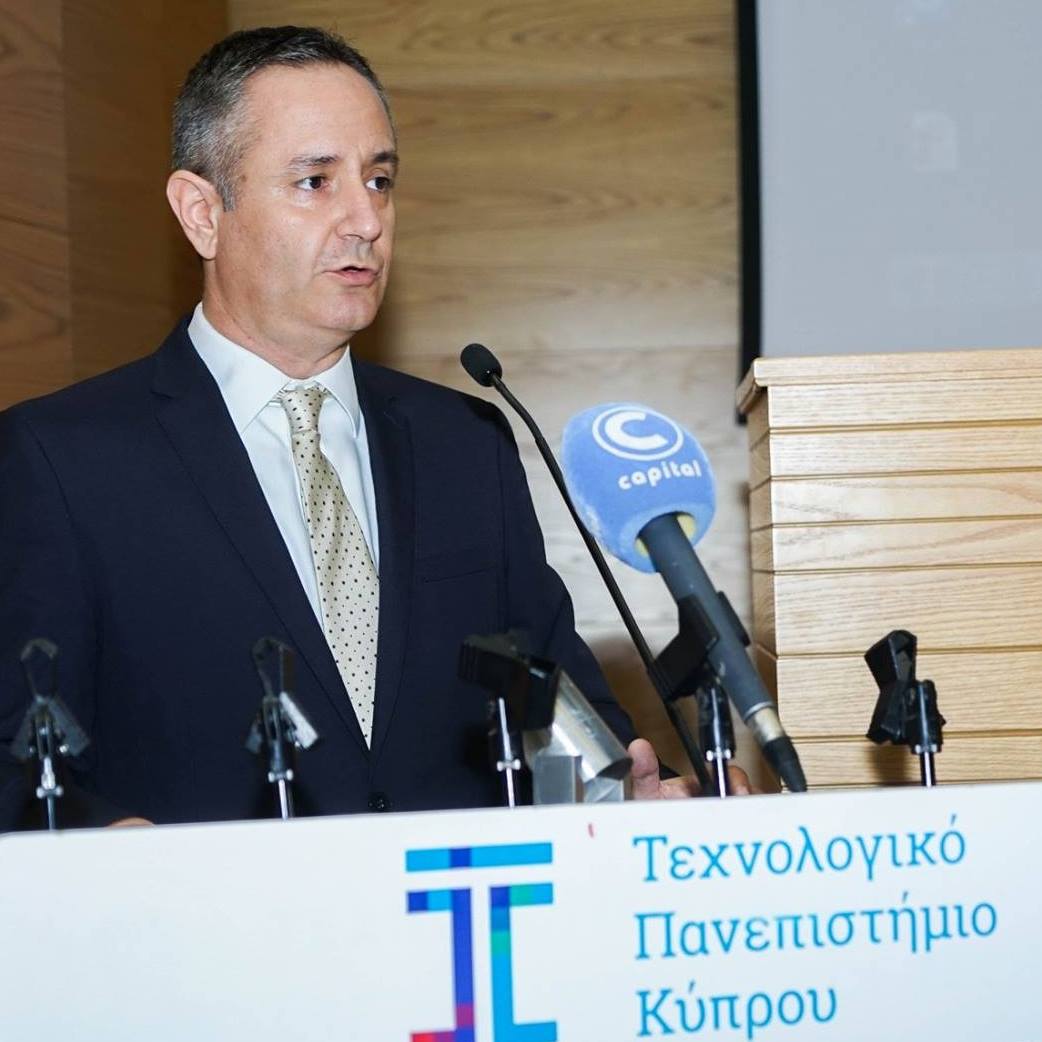
Professor and Director of Agricultural Microbiology and Biotechnology Laboratory, Head of Department of Agricultural Sciences, Biotechnology and Food Science at the Cyprus University of Technology
“Gender equality in agrifood research isn’t just fairness — it’s smart science. When diverse voices shape our food systems, we harvest stronger solutions for a more resilient, inclusive, and sustainable future.”
“Stakeholder engagement is the backbone of effective Gender Equality Plans, ensuring they are not static documents, but co-created strategies rooted in institutional realities. For agricultural and life sciences universities, this is especially vital, as inclusive approaches strengthen both fieldwork safety and the integration of gender perspectives into agri-food research and education. By engaging students, staff, and external partners, we build ownership, legitimacy, and innovation capacity, empowering our universities to educate the next generation of experts for a more just and sustainable society.”
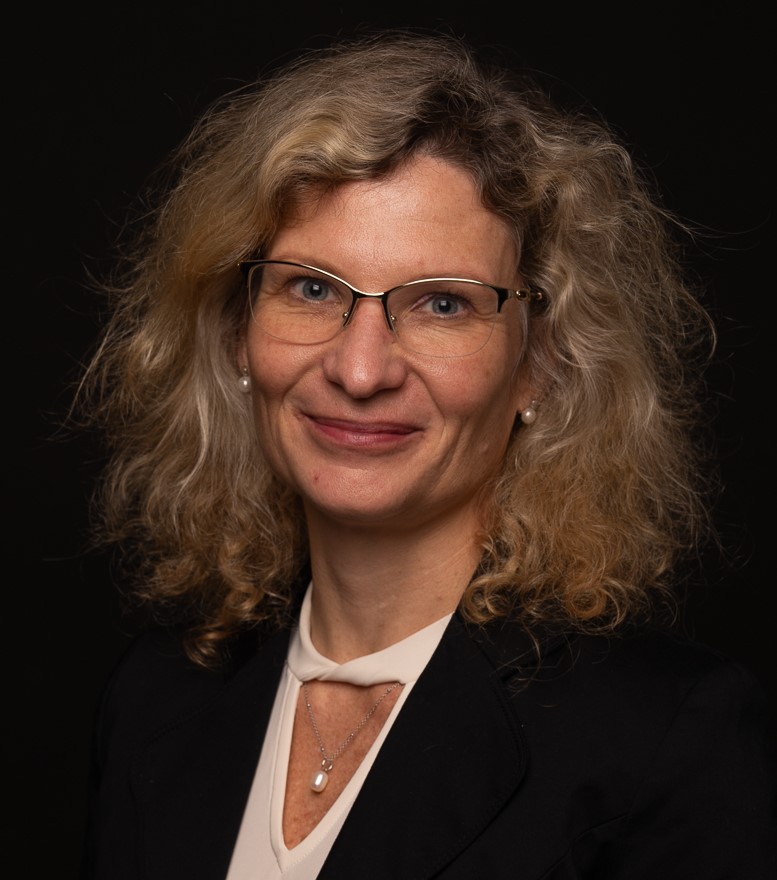
AGRIGEP project, Senior Researcher at the Department of Sustainable Technology, Faculty of Tropical AgriSciences, Czech University of Life Sciences Prague
We support the European Research Area aimed at creating a single, borderless market for research, innovation and technology in the EU.

Funded by the European Union. Views and opinions expressed are however those of the author(s) only and do not necessarily reflect those of the European Union or European Research Executive Agency (REA). Neither the European Union nor the granting authority can be held responsible for them.
Project Coordinator
Hungarian University of Agriculture
and Life Sciences (MATE)
Julianna Kobolak
info@agrigep.eu